The Hair and Beauty Directory
  • Home
  • How it works
  • Search
  • Blog
  • Join
  • Treatment guides
  • Business Courses
  • Contact us
  • Events
  • Jobs
Log in
Sign up
  • All
  • Professionals
  • Training
  • Jobs
  • Rooms
  • Classifieds
  • Brands
  • Academies
  • Events ›

Filters

Clear all
Applied
  • "Microneedling" (remove)×

Search for what actually matters to you

Accessibility and inclusivity
  • Oncology safe
  • Menopause informed
  • Neurodiverse friendly
  • Wheelchair accessible
  • Fragrance free
  • Quiet appointments
  • Low sensory
  • HIV inclusive
  • Trans-inclusive
  • Pregnancy safe

Search results

77 results for Microneedling

Treatment provider

Sirens City Retreat Beauty Salon

✓ Verified ★ Expert
Salon based · Durham, United Kingdom
Award-winning hair & beauty salon in Durham city centre. Specialists in advanced skin treatments, lash extensions, nails & waxing since 2012.
  • Card payments accepted
  • Cash payments accepted
  • Child free salon
4.9 246 reviews
View profile: Sirens City Retreat Beauty Salon
Member

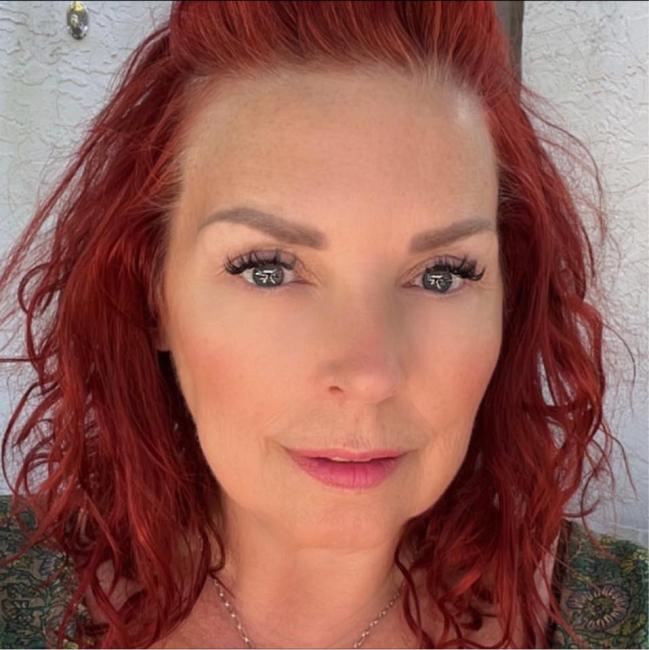
Donna Maree Waugh

Aromatherapist, Assessor, Beauty therapist · Whitstable, United Kingdom
I started my career in Hair and Beauty when leaving sixth form aged 18 and am still passionate about the industry 42 years later.
View profile: Donna Maree Waugh
Treatment provider

The Beauty Guru at Mediacity

✓ Verified ★ Expert
Clinic based · Salford, United Kingdom
Inclusive beauty clinic based in mediacity offering gender free services for everyone
  • Allergy-aware treatments
  • Card payments accepted
  • Cash payments accepted
4.9 147 reviews
View profile: The Beauty Guru at Mediacity
Member

Lynne Siwoku-Dicks

Electrologist, Salon owner, Skin specialist · Wigan, United Kingdom
Electrolysis permanent hair removal for all genders using Apilus XCell
View profile: Lynne Siwoku-Dicks
The Light Centre
Treatment Provider

The Light Centre

Clinic based, Coworking / Shared Space, Studio

The Light Centre offers professional therapy rooms and wellness spaces across central London, supporting therapists, hea…

Read More >>

Treatment provider

Fill Good Aesthetics

✓ Verified ★ Expert
Clinic based, Home based · Donington, United Kingdom
Award-winning medical aesthetics clinic in Donington, Lincolnshire. Expert anti-wrinkle, filler, laser & skin treatments. Free consultation available.
  • Card payments accepted
  • Cash payments accepted
  • Gender neutral salons
5.0 219 reviews
View profile: Fill Good Aesthetics
At In Sensu Ltd
Treatment Provider

At In Sensu Ltd

Grantham, GB

Read More >>

Gua Sha Facial

Profile picture for user admin
Submitted by Reece on Wed, 09/30/2026 - 12:19

A Gua Sha facial is a gentle, tool-assisted facial massage rooted in traditional Chinese medicine. The therapist glides a smooth-edged stone tool, often jade or rose quartz, across cleansed, well-lubricated skin in slow, sweeping strokes that follow the contours of the face and neck. It is best understood as a relaxing, feel-good complementary treatment rather than a medical or clinical procedure. Many people enjoy it for the sense of release around the jaw, brows and cheeks, and for a temporary look of fresher, less puffy skin. The likely mechanism is improved local circulation and lymphatic movement, which can reduce fluid build-up and ease muscle tension. It is worth being honest about the evidence: robust, high-quality research is limited, and any de-puffing or glow tends to be short-lived rather than a lasting structural change. A facial Gua Sha uses far lighter pressure than traditional body Gua Sha, so it should not cause the redness marks associated with that older practice. The pressure and pace can be tailored to your comfort and skin sensitivity, making it suitable for most people when carried out by a trained, insured practitioner on healthy, intact skin.

Arrive with clean skin where possible, or allow time for the therapist to cleanse your face and remove make-up before starting. Let your practitioner know about any recent facial treatments such as peels, microneedling, injectables or laser, as these may mean you need to wait before having Gua Sha. Mention any skin conditions, active breakouts, cold sores, sunburn, open cuts or areas of broken skin so these can be avoided or the treatment rescheduled. Flag any medical history, medication or supplements, especially blood thinners, or if you are pregnant, so the approach can be adjusted or a GP consulted. If you bruise easily or have very sensitive skin, say so, as the pressure can be lightened. Avoid strong exfoliating acids or retinoids on the day if your skin feels irritated. Come well hydrated and, where possible, without heavy make-up so the tool can glide smoothly with a suitable oil or serum. There is no need to fast or stop normal activities beforehand.

Your therapist will usually begin with a short consultation to check your skin, health and any contraindications, then cleanse your face. A facial oil or serum is applied so the tool can glide smoothly without dragging the skin. Lying comfortably, you will feel the smooth stone move in slow, repeated strokes, typically working from the centre of the face outwards and down towards the neck to encourage lymphatic flow. The pressure is light to medium and should feel soothing rather than painful, and it can be adjusted at any point if anything feels uncomfortable. Puffy or tender areas are treated gently or skipped to avoid capillary damage. A session often forms part of a wider facial or massage and may last anywhere from around fifteen minutes to an hour. Many people find it deeply relaxing and some drift off. You may notice mild warmth or pinkness where blood flow increases, which normally settles quickly. Tell your therapist straightaway if anything feels sharp, sore or unpleasant.

Gua Sha is low-maintenance afterwards, but a little care helps you get the best from it. Drink plenty of water to support the lymphatic movement the massage encourages. Your skin may look slightly flushed for a short while, so it is sensible to let it settle before applying heavy make-up. Keep the rest of your routine gentle for the day, avoiding strong acids, retinoids or vigorous exfoliation if your skin feels at all sensitive, and apply a broad-spectrum SPF if you are going outside. If any mild pinkness or tenderness appears, a cool compress can be soothing and it usually fades within a few hours. Try to keep hands and tools clean if you continue with an at-home Gua Sha between appointments, and wash your own tool after every use. Should you notice unexpected bruising, a rash, prolonged redness or any reaction to the oils used, contact your practitioner and seek advice from a pharmacist or GP if it does not settle.

Choose a trained, insured practitioner who takes a brief health history and checks your skin before starting. Gua Sha should always be performed on healthy, intact skin using a clean, undamaged tool and a suitable slip medium such as oil or serum, so the stone glides rather than drags. A chipped or cracked tool should never be used, as rough edges can scratch the skin. Pressure on the face should be light and comfortable; genuine facial Gua Sha does not aim to create the redness marks seen in traditional body Gua Sha. Areas of active infection, inflammation, broken skin, cold sores or recent injectables should be avoided. Good hygiene matters, so the tool should be cleaned and disinfected between clients and stored cleanly. As a complementary therapy, Gua Sha is not a substitute for medical care and makes no claim to treat skin or health conditions. If you have any doubt about whether it suits you, check with your practitioner or GP first.

Although a facial Gua Sha is low-risk, some conditions call for caution or a medical opinion first. Tell your practitioner if you are pregnant, have a bleeding or clotting disorder, take blood-thinning medication, or bruise very easily, as any of these can make bruising more likely and the approach may need adjusting. Active skin conditions such as eczema, psoriasis, rosacea, acne flares, cold sores or any rash, wound or sunburn mean affected areas should be avoided or the treatment postponed. People with diabetes, poor circulation, fragile or thinning skin, or who are undergoing chemotherapy or other significant treatment should check with their practitioner and, where appropriate, their GP before booking. Recent injectables, peels, laser or microneedling usually require a waiting period. Gua Sha is a complementary therapy and should never be used in place of medical assessment or treatment for a skin or health concern. If you are unsure whether it is suitable, speak to a suitably qualified healthcare professional first.

A skin patch test is not standard for Gua Sha itself, as the stone tool does not usually trigger allergy. The more relevant safeguard is a proper pre-treatment consultation in which the practitioner reviews your health, medication and skin, and identifies any contraindications such as pregnancy, blood thinners, fragile skin or active skin conditions. If a new facial oil or serum is being used as the glide medium, a small patch test of that product is worth considering, particularly for sensitive or allergy-prone skin, since a reaction is far more likely to come from the product than the tool. From a UK liability point of view, documenting this consultation and any product check helps both you and the practitioner, as skipping reasonable pre-treatment checks can leave an insured practitioner exposed if a claim arises.

Be cautious if a practitioner skips any consultation or health check, or presses ahead over broken skin, cold sores, an active rash or a recent facial procedure. Heavy, painful scraping that leaves the redness marks associated with body Gua Sha is not appropriate on the face and is a warning sign. A chipped, cracked or visibly dirty tool, or one that is not cleaned between clients, points to poor hygiene. Claims that Gua Sha can cure acne, lift the face permanently, replace medical or cosmetic treatment, or deliver dramatic structural change are overstated and should make you wary. No insurance, no clear training, a rushed session, or a refusal to lighten pressure when you ask are all reasons to pause and reconsider.

A good practitioner starts with a friendly consultation, asks about your health, medication and skin, and explains what the treatment can and cannot do. They work on clean, intact skin with a clean, intact tool and a suitable oil or serum, using light, comfortable pressure and checking in with you throughout. They avoid inflamed, broken or sensitive areas, and are happy to adjust the pace or pressure on request. Look for evidence of relevant training and current insurance, clear hygiene with tools cleaned between clients, and honest, realistic expectations about temporary de-puffing and relaxation rather than permanent change. Willingness to reschedule if your skin is not in a suitable state, and to suggest you check with a GP where there is a medical consideration, is a strong sign of responsible practice.

  1. What training and qualifications do you have in facial Gua Sha, and are you insured?
  2. Given my skin type and medical history, is this treatment suitable for me right now?
  3. What oil or serum will you use, and could we patch test it if my skin is sensitive?
  4. How do you clean and store your tools between clients?
  5. What realistic results should I expect, and how long will they last?
  6. Are there any reasons I should wait or avoid Gua Sha, such as recent treatments or medication?

Most people find a facial Gua Sha calming and pleasant. You will feel the smooth, cool stone gliding across your skin in slow, repeated strokes, with a light to medium pressure that many describe as soothing or mildly massaging. There may be a gentle sense of release around tense areas such as the jaw, temples and brows. As circulation increases you might notice slight warmth or a mild tingling, and your skin may look a little pink for a short time. It should never feel sharp, scratchy or genuinely painful; if it does, tell your practitioner so the pressure can be eased. Sensitive or reactive skin may feel a touch more, which is why the technique is easily adjusted to your comfort.

There is typically no downtime with a facial Gua Sha, and most people return to normal activities immediately. Any warmth or light pinkness from increased blood flow usually settles within minutes to a few hours. Because the pressure is gentle, marks or bruising are uncommon, though people who bruise easily or take blood thinners may occasionally see minor bruising that fades over a few days. Any de-puffing or freshened look is temporary rather than permanent. If redness, soreness or bruising is more than mild or lasts longer than expected, mention it to your practitioner and seek advice if you are concerned.

The most noticeable results from a Gua Sha facial, a fresher, less puffy and more relaxed appearance, tend to show soon after the session but are temporary. Improved local circulation and lymphatic movement can give a short-lived glow and reduce fluid-related puffiness, though this is not a permanent lift or a structural change to the face. To maintain the look, many people have regular sessions or use a gentle at-home Gua Sha routine between appointments, always on clean skin with a clean tool and enough oil or serum to let it glide. Consistency, hydration and a good everyday skincare and sun-protection routine tend to matter more than any single treatment. Be realistic about claims of dramatic sculpting or anti-ageing effects, as the evidence for lasting change is limited. If your main goal is treating a specific skin or health concern, a Gua Sha facial is best seen as a relaxing complement to, not a replacement for, appropriate professional advice.

Radiofrequency Skin Tightening

Profile picture for user admin
Submitted by Reece on Wed, 09/30/2026 - 12:19

Radiofrequency, often shortened to RF, is a non-invasive treatment that uses controlled electromagnetic energy to gently heat the deeper layers of the skin. Raising the skin to a target temperature, typically around 40 to 42 degrees, encourages existing collagen to contract and prompts the body to make new collagen and elastin over the following weeks. The aim is firmer, smoother-looking skin with a subtle lifting effect, most often on the face, neck, jawline, tummy and thighs. RF suits mild to moderate skin laxity rather than significant sagging, so it is generally most rewarding for people in their thirties to fifties who are noticing early softening of firmness. It will not replace a surgical facelift and is not a weight-loss treatment. Results build gradually and usually need a course of sessions plus ongoing maintenance. Intensity can be tailored to your skin, the area treated and your comfort, and RF is sometimes combined with other approaches such as microneedling. Because RF is an energy-based device, outcomes and safety depend heavily on the skill of the practitioner and the settings they choose, so choosing a well-trained, insured provider matters as much as the machine itself.

Start with a proper consultation so a trained practitioner can assess your skin, discuss your goals and check whether RF is suitable for you. Be ready to share your full medical history, including any pacemaker or implanted electronic device, metal implants or plates in the treatment area, pregnancy, recent injectable treatments, skin conditions such as rosacea, and any medication. Arrive with clean skin and no make-up, and remove jewellery from the area. In the days beforehand it typically helps to avoid strong exfoliants, retinoids, sunbeds and unprotected sun exposure so your skin barrier is calm and intact. Let the clinic know if you have had fillers, as timing may need adjusting. Stay well hydrated, as RF works with the water content of your tissues. If you tend to get cold sores and are having facial treatment, mention this so preventative advice can be given. Ask what the treatment will and will not achieve so your expectations are realistic before you begin.

A typical session lasts around twenty to forty-five minutes depending on the area. After cleansing, the practitioner usually applies a glide gel or serum so the handpiece moves smoothly across the skin. They then pass the device over the area in a methodical, grid-like pattern, keeping it moving so heat spreads evenly and no single spot overheats. You will feel a growing warmth that builds to a hot but comfortable sensation, and many people find it relaxing, rather like a warm massage. The practitioner monitors your skin temperature and your feedback throughout, adjusting the power to keep you within a safe, effective range. Tell them straight away if any area feels too hot or sharp, as this helps prevent burns. Depending on the device, they may work in several passes across the same zone. Once finished, the gel is removed and a soothing product and sunscreen are usually applied. There is normally no need for numbing cream with standard non-invasive RF.

RF has a reputation for being low-maintenance afterwards, but sensible aftercare protects your results and your skin. Your skin may feel warm and look flushed for a short while, so treat it gently. For the first day or two it typically helps to avoid very hot showers, saunas, steam rooms, strenuous exercise and anything else that adds heat, as your skin is already warmed. Keep the area well moisturised and drink plenty of water to support collagen renewal. Use a broad-spectrum SPF every day and avoid direct sun and sunbeds while your skin settles, since heat-treated skin can be more reactive. Hold off on strong actives such as retinoids, acids and vigorous exfoliation for a few days, then reintroduce them gradually. Avoid make-up for the rest of the day if your skin feels sensitive. Follow the specific advice your practitioner gives you, and contact the clinic if you notice blistering, prolonged pain, unusual swelling or any change in skin colour that does not settle.

With RF, safety rests far more on the practitioner and the settings than on the device brand. Choose someone properly trained in the specific machine, insured for it, and experienced in reading skin responses and adjusting power, depth and technique to suit you. Correct temperature control and constant movement of the handpiece are what prevent burns, blistering and, in darker skin tones, post-inflammatory pigment changes. A skilled operator also protects the deeper fat layer: if energy goes too deep or too hot, RF can reduce facial fat and cause hollowing, which is a particular concern in leaner and more mature or post-menopausal faces where lost volume can age the face. This is why candidate selection, sensible energy levels and careful facial mapping matter so much. A good clinic will assess whether you are a suitable candidate at all, rather than treating everyone. Make sure any pacemaker, implanted device or metalwork is declared, as these can be genuine contraindications.

RF is generally well tolerated, but some people should not have it or need medical guidance first. It is typically avoided over a pacemaker or other implanted electronic device, and around metal implants, plates or permanent metal-containing fillers in the treatment area, because the energy interacts with these. It is usually not recommended in pregnancy. Caution applies with active skin infections, open or broken skin, recent sunburn, rosacea or other inflammatory skin conditions, uncontrolled diabetes, a history of keloid scarring, or if you are on medication or have a condition affecting healing or sensation. If you have had cancer, blood-clotting problems or take blood thinners, discuss this with your practitioner and, where appropriate, your GP before proceeding. Recent injectables or other facial treatments may mean waiting a while. If in doubt about your suitability, seek advice from a suitably qualified healthcare professional. RF is a cosmetic treatment and is not a substitute for medical assessment or treatment of any skin or health condition.

A skin patch test is not usually part of radiofrequency, because RF works by heating tissue rather than by applying a chemical or allergen the way a tint or peel does. What matters instead is a thorough consultation and contraindication check before your first session. A responsible practitioner will review your medical history, screen for pacemakers, implants, metalwork, pregnancy and skin conditions, assess your skin type and the degree of laxity, and often carry out a small test area or gentle first pass to see how your skin responds to the heat. This is what reduces the real risks with RF, chiefly burns, pigment changes and unwanted fat loss. From a UK liability point of view, skipping a proper assessment and record of consent can leave an insured practitioner exposed if something goes wrong, so a careful pre-treatment check protects both you and the clinic.

Be cautious if a provider skips a consultation and medical history, or treats you without asking about pacemakers, implants, metalwork or pregnancy. It is a warning sign if they cannot name the device, show training specific to it, or evidence of insurance. Promises of dramatic, permanent, surgery-level lifting from one session are unrealistic and should make you wary. Pressure to buy a large course on the day, no discussion of your suitability, and no mention of risks such as burns or facial fat loss all suggest poor practice. During treatment, pain that is sharp rather than warm, or an area allowed to become intensely hot, is not normal and should be stopped. Dirty premises, no cooling or temperature monitoring, and reluctance to answer questions are further reasons to walk away.

Good practice starts with an unhurried consultation, a full medical history and an honest discussion of whether RF suits your skin and goals. A trustworthy practitioner is trained on the specific device, insured, and happy to explain the settings, the temperature they are working to and why they move the handpiece constantly. They map the face carefully, use sensible energy levels, and are cautious about the deeper fat layer in leaner or more mature faces. They set realistic expectations, recommend a course rather than promising miracles from one visit, and give clear written aftercare. Clean premises, proper consent forms, and a willingness to say no if you are not a good candidate are all positive signs. Checking your comfort throughout and inviting you to speak up if anything feels too hot shows a safety-first approach.

  1. What training and insurance do you have for this specific radiofrequency device, and how many of these treatments have you carried out?
  2. Am I a suitable candidate for RF given my skin type, age and degree of laxity, and what realistic results can I expect?
  3. How do you control the temperature and settings to avoid burns, pigment changes and facial fat loss, especially in the deeper layers?
  4. Do any of my circumstances, such as implants, metalwork, medication or recent injectables, make this treatment unsuitable or need adjusting?
  5. How many sessions will I need, how far apart, and what ongoing maintenance and cost should I plan for?
  6. What aftercare should I follow, and how do I contact you if I have any problems such as blistering or lasting redness?

During RF you should feel a deep, spreading warmth that builds as the practitioner works over each area, rather like a warm stone massage. Most people find it comfortable and even relaxing. The warmth peaks as the skin reaches its target temperature, then eases as the handpiece moves on. You may notice brief hot spots, which is why the device is kept moving and your feedback is important. Afterwards the skin can feel warm, slightly tight and look a little flushed for a few hours. Standard non-invasive RF should not be painful and does not usually need numbing cream. A sharp, stinging or burning sensation, or heat that feels too intense, is not normal, and you should tell your practitioner immediately so they can lower the power.

One of the appeals of RF is that downtime is usually minimal. Most people return to normal activities straight away, with any redness or mild warmth typically fading within a few hours to a day. Some experience slight tightness, tenderness or short-lived puffiness, which normally settles quickly. Because you cannot see the collagen changes happening, the visible improvement is gradual rather than instant, often becoming noticeable over several weeks and continuing to develop across a course of sessions. If you have had a more intensive device or RF combined with microneedling, expect a little more redness and a day or two of recovery. Rare problems such as burns or blistering need longer care, so report anything that worries you promptly.

Radiofrequency gives gradual rather than instant results, because it works by stimulating your own collagen and elastin over the weeks that follow. Some people notice a mild tightening early on, but the fuller effect typically develops over one to three months and builds across a course, commonly around three to six sessions spaced a few weeks apart, tailored to your skin and the area treated. Results are not permanent, as skin continues to age naturally, so improvements often last in the region of a year to eighteen months and are usually maintained with occasional top-up sessions. Looking after your skin between visits helps: daily sunscreen, good hydration, a sensible skincare routine and not smoking all support collagen. Your practitioner can advise on a maintenance plan and how RF might combine with other treatments to suit your goals. Be wary of anyone promising dramatic, lasting change from a single session, as this is not how RF works.

Anti-Ageing Facial

Profile picture for user admin
Submitted by Reece on Wed, 09/30/2026 - 12:19

An anti-ageing facial is a professional skincare treatment aimed at mature skin or skin showing early signs of ageing, such as fine lines, dullness, uneven texture and loss of firmness. It usually combines a deep cleanse, gentle exfoliation, a facial massage, and targeted serums or masks chosen for their hydrating, brightening or firming ingredients. Some versions add extras such as LED light, microcurrent, or a mild professional exfoliant to boost the effect. The aim is to leave the skin cleansed, hydrated, plumper-looking and radiant, and to support a good home skincare routine over time. It is worth being honest about what a facial can and cannot do. It works on the surface and the skin's condition, so it can improve the look and feel of your skin and give a lovely temporary glow, but it does not replace medical treatments such as injectables, prescription-strength products or energy devices for deeper lines or significant sagging. Results build with regular sessions alongside daily sun protection and good skincare. A good therapist will tailor the products and techniques to your skin type, concerns and how your skin reacts on the day, and set realistic expectations rather than promising dramatic change.

In most cases little preparation is needed, but a few simple steps help you get the best and safest result. Arrive with clean skin where you can, and let your therapist know about your current skincare, any recent treatments and any medical conditions or medications during the consultation. If you use strong active ingredients such as retinoids, alpha or beta hydroxy acids, benzoyl peroxide or prescription products, it is sensible to pause them for around three to five days beforehand, as they can leave skin more sensitive and prone to irritation. Avoid sunburn, sunbeds, waxing or other exfoliating treatments on the area in the days before. If you are prone to cold sores, flag this, as facial massage can sometimes trigger a flare. Tell your therapist if you are pregnant, breastfeeding, or have taken oral acne medication such as isotretinoin recently, as some products and techniques may need to be adjusted or avoided.

Your appointment typically starts with a short consultation where the therapist looks at your skin, asks about your concerns and health, and agrees a plan with you. You will usually lie back on a comfortable couch. The treatment generally begins with a double cleanse to remove make-up and impurities, followed by gentle exfoliation to smooth the surface. Many facials include a relaxing face, neck and shoulder massage, which helps with circulation and is one of the most enjoyable parts. Targeted serums, a treatment mask and moisturiser are then applied, chosen for your skin type and concerns, and finished with an SPF if you are heading outside. Some anti-ageing facials add technology such as LED light, microcurrent or a mild professional peel, and your therapist should explain anything extra and check you are comfortable throughout. A typical session lasts around forty-five minutes to an hour and should feel calm and pleasant rather than painful.

Aftercare is straightforward and helps your skin settle and get the most from the treatment. For the first twenty-four to forty-eight hours, keep your routine gentle, using mild, hydrating products and drinking plenty of water. Wear a broad-spectrum SPF of at least 30 every day, as freshly exfoliated skin is more vulnerable to the sun, and try to avoid direct sun and sunbeds. It is best to skip strong actives such as retinoids and acids, heavy make-up, saunas, steam rooms, hot showers, swimming and vigorous exercise for a day or two, as heat and sweat can irritate the skin. Avoid touching, picking or scrubbing your face, and let any mild redness or warmth calm on its own. If your therapist has recommended specific products or a follow-up plan, following it supports longer-lasting results. Should any redness, swelling or irritation last beyond about twenty-four to forty-eight hours, contact your therapist and speak to your GP if you are concerned.

For a treatment like this, safety starts with a properly trained, qualified and insured skincare therapist who carries out a consultation and takes a proper skin and health history before starting. This matters because it lets them spot contraindications, choose suitable products and settings, and avoid working on skin that is not healthy enough for treatment. A facial should only be carried out on intact, healthy skin, so active infections such as cold sores, broken or sunburned skin, or recent facial procedures usually mean waiting. Good hygiene is essential, including clean hands, freshly laundered towels, sanitised tools and single-use items where appropriate. If your facial includes stronger elements such as a chemical peel, microneedling or an energy device, these carry higher risks and their own competence and regulatory requirements, so check the practitioner is specifically trained and insured for them. A responsible therapist will patch test new active products where needed and stop if your skin reacts.

Although a basic facial is low risk, some medical situations need care. Tell your therapist if you are pregnant or breastfeeding, as certain active ingredients and some technologies are best avoided. Conditions such as rosacea, eczema, psoriasis, very sensitive or reactive skin, uncontrolled diabetes, or a history of skin cancer may mean a facial needs adapting or is not suitable, so a qualified opinion is important. Recent oral acne medication such as isotretinoin (Roaccutane) usually means waiting around six months before exfoliating or resurfacing treatments, because the skin is more fragile. If your facial uses microcurrent or radiofrequency, a pacemaker, other electrical implant or metal implants in the area are important to declare. Medicines that thin the skin or affect healing, and certain heart, kidney or liver conditions, may also need medical clearance first. If you have a diagnosed skin condition or any doubt about suitability, speak to your GP or a suitably qualified skin professional before booking, as a facial is a cosmetic treatment and not a substitute for medical care.

A skin patch test is not always routine for a gentle facial, but it becomes important when strong active ingredients, a chemical exfoliant or a new product range is being used, particularly if you have sensitive or reactive skin or a history of allergies. In these cases a small test area applied ahead of time helps reduce the risk of an unexpected reaction. More broadly, the key safeguard is a thorough consultation and contraindication check, where the therapist reviews your skin, health, medications and past reactions and agrees what is suitable. In the UK, this record-keeping and checking also protects both you and the practitioner, as skipping reasonable checks can leave an insured therapist found at fault if a claim arises. It is worth knowing a patch test is reassuring rather than a guarantee, as sensitivities can build up over time, so always flag any new stinging, itching or rash.

Be cautious if a salon skips the consultation and does not ask about your health, medications or skin history, or is willing to treat broken, infected, sunburned or actively inflamed skin. Poor hygiene is a warning sign, including dirty tools, no hand washing or reused single-use items. Be wary of anyone promising dramatic, permanent, injectable-style results from a facial, or pressuring you into add-ons you did not ask about. If stronger treatments such as peels, microneedling or energy devices are offered by someone who cannot show relevant training and insurance, or who cannot explain the risks, that is a concern. During the treatment, sharp pain, burning or significant discomfort is not normal for a standard facial and you should ask them to stop.

Good signs include a warm, unhurried consultation where the therapist asks about your skin, health and expectations before touching your face, and explains what they will do and why. Look for recognised training and qualifications, valid insurance, and a clean, well-kept treatment room with proper hygiene and single-use items where needed. A good practitioner tailors products and techniques to your skin on the day, patch tests new actives when appropriate, and is honest about what a facial can realistically achieve rather than over-promising. They will happily answer questions, respect your comfort throughout, and give clear aftercare advice. If they offer stronger treatments, they can show specific training and are upfront about risks, downtime and suitability.

  1. What training, qualifications and insurance do you hold for this treatment, and for any devices or peels you might use?
  2. Based on my skin and health history, is this facial suitable for me and are there any reasons I should wait?
  3. What products and any technologies will you use, and will you patch test new active ingredients?
  4. What realistic results can I expect from a single session versus a course of treatments?
  5. Will there be any redness or downtime, and how should I care for my skin afterwards?
  6. What should I do, and who do I contact, if my skin reacts after the treatment?

Most people find an anti-ageing facial relaxing and pleasant. You can expect the cool or warm touch of cleansers and masks, gentle massage pressure across the face, neck and shoulders, and a light tingling or fresh feeling during exfoliation. Some serums or a mild peel may cause a brief, mild stinging or warmth that settles quickly. If microcurrent is used you might feel a faint buzzing or a slight muscle flutter, and radiofrequency or LED can feel gently warm. Mild redness or a flushed, glowing look afterwards is common and usually short-lived. What you should not feel is sharp pain, strong burning or lasting discomfort, so tell your therapist straight away if anything feels wrong.

A standard anti-ageing facial usually involves little or no downtime, and many people return to their day straight away looking refreshed. It is normal to have mild redness, warmth or a slightly tingly feeling for a short while, which typically settles within a few hours. If your facial included a stronger exfoliant, a peel or an energy device, you may notice more redness, tightness or light flaking for a day or two, so it is worth asking in advance if you have an event coming up. Your skin may look its best a day or two later once any temporary flushing has faded. If you experience anything more than mild, short-lived redness, check in with your therapist.

Results from a single facial are mostly about the immediate condition of your skin, so expect it to look brighter, feel smoother and softer, and appear more hydrated and plumped for a few days to a couple of weeks. This is a temporary glow rather than a permanent change, and deeper lines or significant sagging will not be removed by a facial alone. Longer-lasting improvement in tone, texture and radiance tends to come from regular sessions, often every four to six weeks, combined with a good daily routine and consistent sun protection, which is one of the most effective anti-ageing steps you can take. Your therapist can recommend a suitable course and home care, and can tailor the intensity to what you want, from a gentle maintenance facial to a more active treatment. For concerns a facial cannot address, they may suggest discussing medical options with an appropriately qualified practitioner.

Pagination

  • First page « First
  • Previous page ‹‹
  • Page 1
  • Page 2
  • Page 3
  • Page 4
  • Page 5
  • Page 6
  • Current page 7
  • Page 8
  • Next page ››
  • Last page Last »
The Hair and Beauty Directory

Newsletter

For professionals

  • Jobs
  • Join
  • Rent a room
  • Business Courses
  • Create your Profile
  • Pricing
  • Advertising with us

Explore

  • Advertise your courses
  • Search
  • Events
  • Find a professional
  • New to the industry
  • Articles & Blogs
  • Treatment guides
  • What is verification?

Guidance

  • Inclusivity
  • HIV Awareness
  • Safety & Boundaries

Company

  • How it works
  • Terms and conditions
  • Contact

© 2026 HABD Limited. All rights reserved.

Members in 14+ countries