
The Hair and Beauty Directory
  • Home
  • How it works
  • Search
  • Blog
  • Join
  • Treatment guides
  • Business Courses
  • Contact us
  • Events
  • Jobs
Log in
Sign up
  • All
  • Professionals
  • Training
  • Jobs
  • Rooms
  • Classifieds
  • Brands
  • Academies
  • Events ›

Filters

Clear all
Applied
  • "Lash lift" (remove)×

Search for what actually matters to you

Accessibility and inclusivity
  • Oncology safe
  • Menopause informed
  • Neurodiverse friendly
  • Wheelchair accessible
  • Fragrance free
  • Quiet appointments
  • Low sensory
  • HIV inclusive
  • Trans-inclusive
  • Pregnancy safe

Search results

73 results for Lash lift

Henna Brows

Profile picture for user admin
Submitted by Reece on Wed, 09/30/2026 - 12:19

Henna brows are a semi-permanent brow treatment that uses a henna-based dye to colour both the brow hairs and the skin beneath them. Unlike a standard brow tint, which mainly stains the hairs, henna also tints the skin for a short time, creating a fuller, more defined, powdered look that can help shape and frame the face. The therapist maps the brows to suit your features, mixes the henna to a chosen shade and applies it, leaving it to develop before removing. Results typically last around one to two weeks on the skin and up to around six weeks on the hairs, though this varies with skin type, aftercare and how oily your skin is. It is a popular, non-invasive alternative to microblading or brow lamination for people who want a temporary boost rather than a permanent change. Because the dyes involved can cause allergic reactions in a small number of people, a patch test beforehand is an important safeguard. The finish can be tailored from soft and natural to bold and defined, so it is worth discussing the look you want at your consultation.

Service
Henna brows

Come to your appointment with clean, product-free brows where possible, as oils, makeup and heavy skincare can affect how evenly the henna takes. In the days before, avoid oil-based creams, retinoids, acids and exfoliating scrubs around the brow area, since these can lift the stain or leave the skin more reactive. If you usually tint, wax or thread your brows, it is often best to have any hair removal a day or two beforehand rather than immediately before, so the skin is calm. Avoid heavy sun exposure or sunbeds just before treatment. Most importantly, make sure a patch test has been carried out in good time, usually at least 48 hours ahead, and never proceed if you have had any reaction. Tell your therapist about any allergies, recent reactions to hair dye or tint, skin conditions, or if you are pregnant or breastfeeding, as they may adjust the approach. Arrive without brow makeup so the therapist can map your natural shape accurately.

Your therapist will start with a short consultation to discuss the shape, shade and intensity you want, and to check you have had a clear patch test. They will usually map your brows, measuring and outlining a shape that suits your face, then cleanse the area. The henna is mixed to your chosen colour and applied with a fine brush, often building up the shape and filling any sparse areas. It is then left to develop, typically for several minutes, so the pigment can bond to the hairs and stain the skin. During this time you simply relax with your eyes open or closed. The henna is gently removed, and the therapist may apply a second layer or adjust the shape to refine the result. Any stray hairs might be tidied with tweezers if you wish. The whole appointment usually takes around 30 to 45 minutes. It is comfortable and should not be painful; tell your therapist straight away if you feel any stinging or itching.

For the best colour and longevity, keep the brows dry for the first 24 to 48 hours, as water, steam and sweat can lift the stain before it has settled. Avoid swimming, hot baths, saunas, steam rooms and intense workouts during this period. Try not to rub, pick or touch the brows, since the natural oils on your fingertips speed up fading. Skip oil-based cleansers, makeup removers and rich creams around the brows, and hold off on exfoliating scrubs, acids and retinoids near the area, as these break down the stain unevenly. Once the initial period has passed, applying a light brow or facial oil can help condition the hairs, though be aware it may soften the skin tint over time. Protect the brows from strong sun, and use sunscreen once the area has settled, as UV can fade the colour. If any redness, itching or swelling develops, stop and seek advice from your therapist or a GP or pharmacist.

The key safety point with henna brows is allergy risk. Many brow henna and tint products contain dye ingredients, and some formulations include or are related to paraphenylenediamine (PPD), the same family of chemicals found in permanent hair dye, which can cause allergic reactions ranging from mild irritation to, rarely, severe swelling and breathing difficulty. A patch test carried out in advance is the main safeguard, and you should never skip it, even if you have had the treatment before, because sensitivities can develop over time. Choose a trained, insured therapist who follows the product manufacturer's instructions on mixing, development time and patch testing. Good hygiene matters too, including clean tools, disposable applicators where appropriate and a clean working area. The therapist should ask about your medical history and any previous reactions to dyes. If you have very sensitive skin or a known PPD allergy, ask about PPD-free alternatives, and stop immediately if you feel any stinging, burning or itching during the treatment.

Tell your therapist about any allergies, particularly to hair dye, tints or black henna, and about any past reaction to a brow or lash treatment, as these are important warning signs. Skin conditions such as eczema, psoriasis, dermatitis or broken, irritated or sunburnt skin around the brows may mean the treatment should be delayed until the skin has recovered. If you have recently had other brow or facial treatments, or use strong actives like retinoids or acids, mention this so timing can be adjusted. There is no strong evidence of harm during pregnancy or breastfeeding, but because skin can become more reactive at these times, many therapists will patch test again or advise caution, and you may wish to check with your midwife or GP. If you have a known PPD or dye allergy, henna brows may not be suitable, and you should ask about tested alternatives. This treatment is cosmetic and is not a substitute for medical advice; see a GP if you have concerns about a skin reaction.

A patch test is strongly recommended and is normal practice for henna brows, usually at least 48 hours before treatment. This matters because the dyes involved can trigger allergic reactions, and a documented patch test both reduces the risk of a serious reaction and protects you and the therapist should a claim arise. An insured practitioner who skips it can be found at fault. A small amount of the product is applied, often behind the ear or in the inner elbow, and left to see whether any redness, itching or swelling develops. It is worth knowing a patch test is not fully conclusive, as sensitivities can build over repeated exposure, so retesting is advised for new clients, anyone returning after a long gap, and those who have had any reaction. Never proceed if a test shows any response.

Be cautious if a salon offers to treat you with no patch test, or dismisses one because you have had henna brows before, as sensitivities can develop at any time. Reused or unclean applicators, a dirty work area, or vague answers about the products and their ingredients are warning signs. A therapist who cannot tell you whether the product contains PPD or offer an alternative for sensitive clients, or who does not ask about your allergies and medical history, is not following good practice. So-called black henna, which can contain high levels of PPD, carries a greater allergy risk and should prompt extra caution. During treatment, any stinging, burning or intense itching is a red flag; the product should be removed straight away and advice sought if a reaction develops.

A good therapist carries out and records a patch test in good time, and asks about your allergies, skin conditions and medical history before starting. They should be trained in henna brows, hold professional insurance, and follow the product manufacturer's instructions on mixing, development time and testing. Expect a clear consultation where they map your brow shape, discuss the shade and intensity, and set honest expectations about how long results last on skin and hairs. Clean tools, disposable applicators where appropriate and a tidy, hygienic workspace are all signs of good practice. They should be able to tell you what is in the product, offer alternatives for sensitive or allergy-prone clients, and give you clear written aftercare advice. Being willing to decline or delay treatment if your skin is irritated or a patch test is positive is a strong positive sign.

  1. Will you carry out a patch test, and how far in advance do I need it?
  2. Does the henna or tint you use contain PPD, and do you offer a PPD-free option for sensitive skin?
  3. What training and professional insurance do you hold for henna brows?
  4. How long can I expect the colour to last on my skin and on the hairs?
  5. How should I care for my brows afterwards, and what should I avoid?
  6. What should I do if I notice any redness, itching or swelling after treatment?

Henna brows are generally comfortable and are not usually painful. Most people feel little more than the light touch of the brush as the henna is applied, and a mild coolness while it develops on the skin. Some people notice a very slight tightness or a faint tingling as the product sets, which settles once it is removed. You should not feel any stinging, burning or strong itching; if you do, tell your therapist straight away, as this can be an early sign of a reaction and the product should be removed. Any hair tidying with tweezers afterwards may give a brief nip. On the whole it is a relaxing treatment that many people find no more eventful than having their brows brushed and shaped.

Henna brows involve no real downtime, and most people return to normal activities straight away. The main thing to manage is keeping the brows dry and product-free for the first 24 to 48 hours so the colour sets properly. The skin stain is usually at its most intense immediately afterwards and softens over the following days, which is normal. Occasionally the skin may look slightly darker or bolder than expected at first; this typically eases within a day or two. There should be no lasting redness or irritation. If you notice persistent itching, swelling, burning or a rash, this may signal an allergic reaction, and you should seek advice from a GP or pharmacist promptly rather than waiting.

Results are visible immediately, with the skin tint usually looking boldest at first and softening over the following days to a more natural finish. In most cases the colour lasts around one to two weeks on the skin and up to around six weeks on the hairs, though this varies with your skin type, how oily your skin is, and how well you follow aftercare. Oily skin and frequent cleansing, exfoliating or oil-based products tend to fade the skin stain faster. To keep brows looking their best, avoid heavy oils and scrubs around the area, protect the brows from strong sun, and use sunscreen once the skin has settled. Many people book a top-up every four to six weeks to maintain shape and colour. The look can be tailored each time, from a soft, natural definition to a bolder, more filled-in shape, so discuss any changes with your therapist. A fresh patch test may be needed if there has been a long gap between visits.
Curly Hair Cut

Profile picture for user admin
Submitted by Reece on Wed, 09/30/2026 - 12:19

A curly hair cut is a haircut tailored to naturally curly, coily or wavy hair, shaped to work with your curl pattern rather than against it. Unlike a standard cut, many curl specialists cut the hair dry and often curl by curl, so they can see how each section springs and sits before removing length. This matters because curls shrink up shorter when they dry than they look when wet and stretched, so a wet-cut approach can leave the hair much shorter than intended. Popular curl-focused methods you may see advertised include the Curly Girl approach, and named techniques such as the Deva cut and Rezo cut, though the core idea across them is similar: respect the natural texture, add shape and often layers for lift and definition, and reduce bulk without disrupting the curl. Good stylists also use the appointment to teach you how to care for your curls at home, since the cut is only part of the result. There is no single right way for every head of hair; the technique should be chosen for your curl type, density, condition and the look you want, whether that is more volume, a defined shape or simply a tidy, low-maintenance trim.

Service
Curly hair cut

In most cases it is best to arrive with your hair in its natural, defined curl state so the stylist can see exactly how it behaves. Many curl specialists ask you to come with clean, dry, product-light hair styled the way you usually wear it, rather than scraped back, wet or freshly straightened, because they need to read your true curl pattern before cutting. Some salons are happy to wash and style first, so check when booking. It helps to bring photos of looks you like and dislike, and to think about how much time you want to spend styling day to day, as this guides how much length and layering will suit you. If your curls are very tangled, gently detangle beforehand. Sending a photo of your dry curls ahead of the appointment can help the salon set aside enough time, since density and length affect how long the cut takes. Flag any recent colour, chemical or heat damage so the stylist can factor condition into the shape they create.

Your appointment typically starts with a consultation where the stylist assesses your curl pattern, density, texture and the condition of your hair, then talks through the shape, length and level of layering you want. Depending on your hair and the look you are after, they may cut the hair dry, curl by curl, so they can watch how each piece falls, or they may cut wet and account for spring-back; some combine both. Dry cutting is common for curls because it shows the true finished length as they work. The stylist shapes the hair to remove bulk and add movement or lift where needed, checking balance as they go. Many curl cuts include a wash, a curl-friendly styling routine and a diffused or air dry so you leave with your curls defined and can see the finished result properly. A good stylist will explain what they are doing and often show you how to recreate the style at home. Appointments usually run longer than a standard cut, often around an hour or more.

Curls tend to be drier than straight hair because natural oils travel down the strand less easily, so moisture is the priority after your cut. In most cases a curl-friendly cleanser, a hydrating conditioner and a leave-in conditioner, curl cream or gel will help hold definition. Try to apply styling products to soaking-wet hair and scrunch gently to encourage the curl to form. Where possible, dry with a diffuser on low heat or let hair air dry rather than using high heat, and avoid rough towel drying, which causes frizz; a microfibre towel or soft cotton is gentler. Sleeping on a satin or silk pillowcase, or using a loose pineapple-style updo, helps protect the shape overnight. Refreshing curls between washes with a little water and product is normal rather than washing daily. Your stylist should recommend products and a simple routine suited to your curl type, so ask them to talk you through it before you leave.

A curly hair cut is a low-risk treatment, so the main things that protect you are the stylist's skill with textured hair and good salon hygiene. Curly and coily hair behaves very differently from straight hair, so it is worth choosing someone who specialises in or is genuinely experienced with your curl type, as the wrong technique can leave uneven layers or unwanted shrinkage that only shows once the hair dries. Clean, well-maintained scissors and tools and a tidy workstation are basic standards you should expect. A proper consultation before any cutting starts is important so you and the stylist agree on length and shape, remembering that curls spring up shorter than they look when stretched. There is no need for numbing, chemicals or invasive steps in a cut itself, so nothing here carries medical risk. If you are also having colour or a chemical treatment at the same visit, the safety points for those services apply separately, including patch testing for colour.

A haircut itself has no medical requirements, but it is worth mentioning anything that affects your scalp or hair to your stylist so they can adjust their approach and set realistic expectations. Conditions such as psoriasis, eczema, seborrhoeic dermatitis or a sensitive, broken or infected scalp mean the stylist should work gently and avoid aggravating the area, and you may prefer to wait until a flare settles. Hair loss, thinning or breakage, whether from a medical condition, medication, recent illness, pregnancy or treatments such as chemotherapy, can change what shape will suit you, and a considerate stylist will talk this through kindly. If you have noticed sudden or patchy hair loss, an itchy or painful scalp, or unexplained changes in your hair, it is sensible to see your GP or a dermatologist, as a haircut cannot diagnose or treat an underlying cause. Let the stylist know about scalp piercings, recent surgery or any tenderness so they can keep you comfortable.

A skin patch test is not needed for a haircut on its own, because no dyes or chemicals are applied. The equivalent safeguard here is a proper consultation before any scissors touch your hair, where the stylist checks your curl pattern, density, condition and scalp, and agrees the length and shape with you. This matters for both your satisfaction and the salon's responsibility: curls shrink as they dry, so confirming expectations first reduces the risk of disappointment and disputes. If you are combining the cut with hair colour, a lash or brow service, or any product that can cause an allergic reaction, then a patch test does apply to that part of the visit, and in the UK skipping a recommended patch test can leave an insured salon found at fault if a client reacts. Always mention allergies or sensitivities so the correct checks are done.

Be cautious if the stylist skips any consultation and starts cutting straight away, or dismisses your curl type and treats it like straight hair. It is a warning sign if they cannot explain why they are cutting wet or dry for your hair, or refuse to discuss length and shape before starting. Dirty tools, an unhygienic workstation or scissors that are visibly poorly maintained are basic standards not being met. Pressure to buy expensive products with no real explanation, or promises that a cut will fix scalp conditions, hair loss or damage, are reasons to be wary, as a cut does none of these. If a salon guarantees a dramatic transformation without acknowledging your curl pattern or realistic shrinkage, or makes you feel rushed and unheard, it is reasonable to pause and seek someone more experienced with textured hair.

Good signs include a stylist who takes time to talk through your curl pattern, density, condition and the look you want before touching the scissors, and who can clearly explain whether they will cut wet, dry or both and why. Look for someone with genuine experience or specialist training in textured, curly or coily hair, ideally with photos of clients whose hair is similar to yours. A clean, tidy workstation and well-kept tools are basic hallmarks of a professional salon. A good curl stylist sets honest expectations about length and shrinkage, shows you the finished cut styled in your natural curls, and teaches you how to wash, style and maintain it at home rather than simply selling products. Feeling listened to, unrushed and comfortable to ask questions is a strong indicator you are in capable hands.

  1. How much experience or specialist training do you have with my curl type and texture?
  2. Will you cut my hair wet, dry, or a mix, and why is that best for my curls?
  3. How much length is likely to come off once you account for curl shrinkage?
  4. Can you show me examples of curly cuts you have done on hair similar to mine?
  5. What shape and layering would suit my curl pattern and how I like to style it?
  6. What products and routine would you recommend to maintain this cut at home?

A curly hair cut is comfortable and painless. You will feel gentle tugging as the stylist sections, combs and cuts, and the light pressure of fingers working through your curls, which some people find relaxing. If your hair is washed, expect the usual scalp massage and the sensation of water and product. Sitting still for a while is the main thing to get used to, as curl cuts often take longer than a standard trim, especially if the hair is cut curl by curl. There should be no stinging, burning or discomfort at any point; if the stylist catches a tangle it may pull briefly, so tell them if anything feels sore, particularly if your scalp is sensitive. Leaving with defined, freshly styled curls is generally the most noticeable feeling.

A curly hair cut has no downtime and you can return to normal activities straight away. It may take a wash or two at home to get used to styling the new shape yourself, as the way your curls sit can change once you have washed out the salon products and used your own. If the cut feels unfamiliar at first, give it a few days and a home wash-and-style before judging it, then go back to your stylist if anything needs adjusting. There are no restrictions on exercise, washing or swimming, though protecting curls from very high heat and harsh drying will help them stay defined for longer.

A well-shaped curl cut should look good with minimal daily effort, letting your curls fall and sit naturally rather than needing constant styling. How long it lasts depends on your hair and how fast it grows, but many people find a curly cut holds its shape for roughly eight to twelve weeks before it needs tidying, with tighter, shorter styles often benefiting from more frequent trims and longer curls stretching further between visits. Regular trims keep the shape and remove split or worn ends, which helps curls stay springy and defined. Day to day, keeping the hair moisturised, drying gently with a diffuser or air, refreshing curls between washes and protecting them overnight on satin or silk all help the cut look its best for longer. Your stylist can tailor the shape and layering to how much or how little upkeep you want, so tell them honestly how much time you are willing to spend styling. If you also colour or heat-style your hair, extra conditioning care helps protect the curl.

Training academy

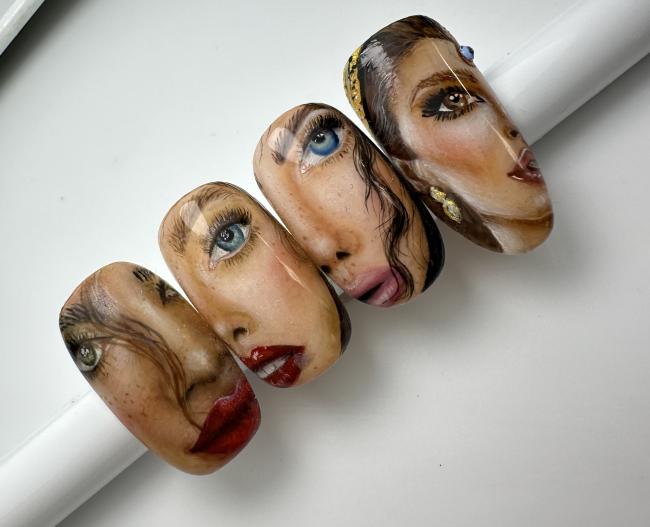
Melanie Lewendon Nail Artist Training

✓ Verified ★ Expert
Derby, United Kingdom
Melanie Lewendon is a multi award-winning nail and beauty educator offering accredited in-person and online courses in nails, beauty, waxing and lash treatments. Based…
  • Parking available
5.0 27 reviews
View academy: Melanie Lewendon Nail Artist Training

Pagination

  • First page « First
  • Previous page ‹‹
  • Page 1
  • Page 2
  • Page 3
  • Page 4
  • Page 5
  • Page 6
  • Page 7
  • Current page 8
The Hair and Beauty Directory

Newsletter

For professionals

  • Jobs
  • Join
  • Rent a room
  • Business Courses
  • Create your Profile
  • Pricing
  • Advertising with us

Explore

  • Advertise your courses
  • Search
  • Events
  • Find a professional
  • New to the industry
  • Articles & Blogs
  • Treatment guides
  • What is verification?

Guidance

  • Inclusivity
  • HIV Awareness
  • Safety & Boundaries

Company

  • How it works
  • Terms and conditions
  • Contact

© 2026 HABD Limited. All rights reserved.

Members in 14+ countries