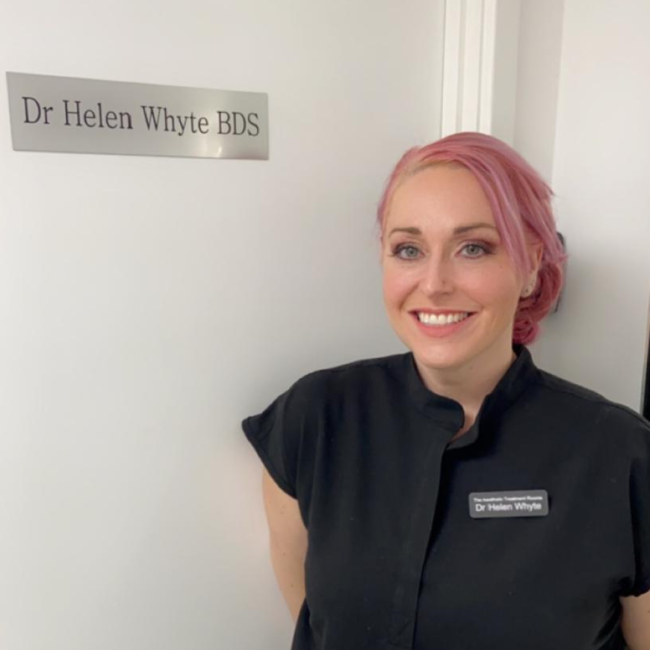

Member
Clare has over 20 years industry experience and is highly qualified to Level 5, specialising in advanced skin treatments and brows. Clare is an award winning…
8 results for Radiofrequency Skin Tightening
Radiofrequency, often shortened to RF, is a non-invasive treatment that uses controlled electromagnetic energy to gently heat the deeper layers of the skin. Raising the skin to a target temperature, typically around 40 to 42 degrees, encourages existing collagen to contract and prompts the body to make new collagen and elastin over the following weeks. The aim is firmer, smoother-looking skin with a subtle lifting effect, most often on the face, neck, jawline, tummy and thighs. RF suits mild to moderate skin laxity rather than significant sagging, so it is generally most rewarding for people in their thirties to fifties who are noticing early softening of firmness. It will not replace a surgical facelift and is not a weight-loss treatment. Results build gradually and usually need a course of sessions plus ongoing maintenance. Intensity can be tailored to your skin, the area treated and your comfort, and RF is sometimes combined with other approaches such as microneedling. Because RF is an energy-based device, outcomes and safety depend heavily on the skill of the practitioner and the settings they choose, so choosing a well-trained, insured provider matters as much as the machine itself.
Start with a proper consultation so a trained practitioner can assess your skin, discuss your goals and check whether RF is suitable for you. Be ready to share your full medical history, including any pacemaker or implanted electronic device, metal implants or plates in the treatment area, pregnancy, recent injectable treatments, skin conditions such as rosacea, and any medication. Arrive with clean skin and no make-up, and remove jewellery from the area. In the days beforehand it typically helps to avoid strong exfoliants, retinoids, sunbeds and unprotected sun exposure so your skin barrier is calm and intact. Let the clinic know if you have had fillers, as timing may need adjusting. Stay well hydrated, as RF works with the water content of your tissues. If you tend to get cold sores and are having facial treatment, mention this so preventative advice can be given. Ask what the treatment will and will not achieve so your expectations are realistic before you begin.
A typical session lasts around twenty to forty-five minutes depending on the area. After cleansing, the practitioner usually applies a glide gel or serum so the handpiece moves smoothly across the skin. They then pass the device over the area in a methodical, grid-like pattern, keeping it moving so heat spreads evenly and no single spot overheats. You will feel a growing warmth that builds to a hot but comfortable sensation, and many people find it relaxing, rather like a warm massage. The practitioner monitors your skin temperature and your feedback throughout, adjusting the power to keep you within a safe, effective range. Tell them straight away if any area feels too hot or sharp, as this helps prevent burns. Depending on the device, they may work in several passes across the same zone. Once finished, the gel is removed and a soothing product and sunscreen are usually applied. There is normally no need for numbing cream with standard non-invasive RF.
RF has a reputation for being low-maintenance afterwards, but sensible aftercare protects your results and your skin. Your skin may feel warm and look flushed for a short while, so treat it gently. For the first day or two it typically helps to avoid very hot showers, saunas, steam rooms, strenuous exercise and anything else that adds heat, as your skin is already warmed. Keep the area well moisturised and drink plenty of water to support collagen renewal. Use a broad-spectrum SPF every day and avoid direct sun and sunbeds while your skin settles, since heat-treated skin can be more reactive. Hold off on strong actives such as retinoids, acids and vigorous exfoliation for a few days, then reintroduce them gradually. Avoid make-up for the rest of the day if your skin feels sensitive. Follow the specific advice your practitioner gives you, and contact the clinic if you notice blistering, prolonged pain, unusual swelling or any change in skin colour that does not settle.
With RF, safety rests far more on the practitioner and the settings than on the device brand. Choose someone properly trained in the specific machine, insured for it, and experienced in reading skin responses and adjusting power, depth and technique to suit you. Correct temperature control and constant movement of the handpiece are what prevent burns, blistering and, in darker skin tones, post-inflammatory pigment changes. A skilled operator also protects the deeper fat layer: if energy goes too deep or too hot, RF can reduce facial fat and cause hollowing, which is a particular concern in leaner and more mature or post-menopausal faces where lost volume can age the face. This is why candidate selection, sensible energy levels and careful facial mapping matter so much. A good clinic will assess whether you are a suitable candidate at all, rather than treating everyone. Make sure any pacemaker, implanted device or metalwork is declared, as these can be genuine contraindications.
RF is generally well tolerated, but some people should not have it or need medical guidance first. It is typically avoided over a pacemaker or other implanted electronic device, and around metal implants, plates or permanent metal-containing fillers in the treatment area, because the energy interacts with these. It is usually not recommended in pregnancy. Caution applies with active skin infections, open or broken skin, recent sunburn, rosacea or other inflammatory skin conditions, uncontrolled diabetes, a history of keloid scarring, or if you are on medication or have a condition affecting healing or sensation. If you have had cancer, blood-clotting problems or take blood thinners, discuss this with your practitioner and, where appropriate, your GP before proceeding. Recent injectables or other facial treatments may mean waiting a while. If in doubt about your suitability, seek advice from a suitably qualified healthcare professional. RF is a cosmetic treatment and is not a substitute for medical assessment or treatment of any skin or health condition.
A skin patch test is not usually part of radiofrequency, because RF works by heating tissue rather than by applying a chemical or allergen the way a tint or peel does. What matters instead is a thorough consultation and contraindication check before your first session. A responsible practitioner will review your medical history, screen for pacemakers, implants, metalwork, pregnancy and skin conditions, assess your skin type and the degree of laxity, and often carry out a small test area or gentle first pass to see how your skin responds to the heat. This is what reduces the real risks with RF, chiefly burns, pigment changes and unwanted fat loss. From a UK liability point of view, skipping a proper assessment and record of consent can leave an insured practitioner exposed if something goes wrong, so a careful pre-treatment check protects both you and the clinic.
Be cautious if a provider skips a consultation and medical history, or treats you without asking about pacemakers, implants, metalwork or pregnancy. It is a warning sign if they cannot name the device, show training specific to it, or evidence of insurance. Promises of dramatic, permanent, surgery-level lifting from one session are unrealistic and should make you wary. Pressure to buy a large course on the day, no discussion of your suitability, and no mention of risks such as burns or facial fat loss all suggest poor practice. During treatment, pain that is sharp rather than warm, or an area allowed to become intensely hot, is not normal and should be stopped. Dirty premises, no cooling or temperature monitoring, and reluctance to answer questions are further reasons to walk away.
Good practice starts with an unhurried consultation, a full medical history and an honest discussion of whether RF suits your skin and goals. A trustworthy practitioner is trained on the specific device, insured, and happy to explain the settings, the temperature they are working to and why they move the handpiece constantly. They map the face carefully, use sensible energy levels, and are cautious about the deeper fat layer in leaner or more mature faces. They set realistic expectations, recommend a course rather than promising miracles from one visit, and give clear written aftercare. Clean premises, proper consent forms, and a willingness to say no if you are not a good candidate are all positive signs. Checking your comfort throughout and inviting you to speak up if anything feels too hot shows a safety-first approach.
During RF you should feel a deep, spreading warmth that builds as the practitioner works over each area, rather like a warm stone massage. Most people find it comfortable and even relaxing. The warmth peaks as the skin reaches its target temperature, then eases as the handpiece moves on. You may notice brief hot spots, which is why the device is kept moving and your feedback is important. Afterwards the skin can feel warm, slightly tight and look a little flushed for a few hours. Standard non-invasive RF should not be painful and does not usually need numbing cream. A sharp, stinging or burning sensation, or heat that feels too intense, is not normal, and you should tell your practitioner immediately so they can lower the power.
One of the appeals of RF is that downtime is usually minimal. Most people return to normal activities straight away, with any redness or mild warmth typically fading within a few hours to a day. Some experience slight tightness, tenderness or short-lived puffiness, which normally settles quickly. Because you cannot see the collagen changes happening, the visible improvement is gradual rather than instant, often becoming noticeable over several weeks and continuing to develop across a course of sessions. If you have had a more intensive device or RF combined with microneedling, expect a little more redness and a day or two of recovery. Rare problems such as burns or blistering need longer care, so report anything that worries you promptly.
Radiofrequency gives gradual rather than instant results, because it works by stimulating your own collagen and elastin over the weeks that follow. Some people notice a mild tightening early on, but the fuller effect typically develops over one to three months and builds across a course, commonly around three to six sessions spaced a few weeks apart, tailored to your skin and the area treated. Results are not permanent, as skin continues to age naturally, so improvements often last in the region of a year to eighteen months and are usually maintained with occasional top-up sessions. Looking after your skin between visits helps: daily sunscreen, good hydration, a sensible skincare routine and not smoking all support collagen. Your practitioner can advise on a maintenance plan and how RF might combine with other treatments to suit your goals. Be wary of anyone promising dramatic, lasting change from a single session, as this is not how RF works.
Cellulite treatment covers a range of non-invasive salon and clinic techniques aimed at softening the dimpled, 'orange-peel' look that often appears on the thighs, buttocks, hips and tummy. It helps to understand what cellulite is first: it is a completely normal, very common feature, especially in women, caused by pockets of fat pushing up against the fibrous bands that tether the skin. It is not a sign of poor health or being overweight, and even lean, fit people have it. The most common approaches you will find in the UK include radiofrequency (heating the tissue to encourage firmer-looking skin), acoustic wave or shockwave therapy, mechanical vacuum and roller massage, and topical or wrap treatments. More intensive options such as subcision or laser work under the skin and are medical procedures. It is important to set honest expectations: no treatment permanently removes cellulite, and the evidence for many methods is modest and short-lived. In most cases you will need a course of sessions plus ongoing maintenance, and results tend to be a subtle improvement in appearance rather than a cure. A good practitioner will explain this openly and tailor the plan to your goals.
Start with an honest consultation so you understand what a given method can and cannot realistically do, and so the practitioner can check the treatment suits you. Be ready to share your medical history, any medications (including blood thinners), pregnancy or breastfeeding status, recent surgery, and any implants, pacemakers or metal in the treatment area, as these can affect suitability for energy-based devices. On the day, arrive with clean skin free of heavy creams, oils or fake tan, as these can interfere with some devices. Staying well hydrated and avoiding alcohol beforehand is sensible. Wear or bring comfortable, loose clothing, since areas like the thighs and buttocks are usually treated. If you bruise easily, mention it. Ask upfront how many sessions are typically needed and the total cost, so you can judge whether the plan is right for you before committing to a course.
What happens depends on the method chosen. The practitioner will usually reassess the area, sometimes take before photos, and explain the process. For radiofrequency, a handpiece is glided over the skin with gel, giving a warming, heated-massage sensation. Acoustic wave or shockwave devices deliver rapid pulses that feel like firm tapping or pinging against the skin. Vacuum and roller massage systems gently suction and knead the tissue, which can feel like a deep, sometimes intense massage. Topical and wrap treatments involve applying products and wrapping the area. Sessions typically last around 20 to 45 minutes depending on the area and technique, and a course of several sessions spaced over weeks is usual. You should be able to speak up at any point if anything feels too hot, sharp or painful. A good practitioner keeps checking your comfort and adjusts the settings and pressure to suit you.
Aftercare is usually straightforward for non-invasive cellulite work. Drinking plenty of water and keeping gently active, such as walking, is often encouraged to support circulation, though claims that this 'flushes out fat' should be treated with a pinch of salt. If your skin feels warm, pink or tender after radiofrequency or massage-based treatments, this typically settles within hours to a day or two. Avoid very hot baths, saunas, sunbeds and intense sun exposure for a day or so if the skin feels sensitive, and use a broad-spectrum SPF on exposed areas. Mild bruising can follow vacuum massage or shockwave therapy and usually fades over several days. Moisturise the area and avoid harsh exfoliation while any redness settles. Maintaining a balanced diet, regular movement and good hydration between sessions gives you the best chance of holding on to any improvement. Follow the specific advice your practitioner gives, as it varies by device.
Choose a practitioner who is properly trained on the specific device they are using, insured, and able to explain candidate suitability and correct settings, as energy-based devices carry a real risk of burns, blistering or changes in skin colour if used incorrectly. This risk can be higher on deeper or darker skin tones, so the practitioner should be experienced with your skin type. A thorough consultation and medical history should always come before treatment, and the device should be set to the right intensity for you rather than a one-size-fits-all setting. Be wary of anywhere that promises to 'remove' cellulite permanently or in a single session, as this is not supported by the evidence. Minimally invasive or injectable cellulite treatments, such as subcision or mesotherapy-type injections, are medical procedures that belong with a suitably qualified, regulated medical practitioner. If you have any doubt about whether a treatment is right for you, speak to your GP or a qualified professional first.
Several conditions mean a cellulite treatment may not be suitable, or should only go ahead with medical guidance. Energy-based devices are generally avoided over pacemakers, implanted electrical devices, metal implants in the area, and during pregnancy. Let your practitioner know about blood-thinning medication, bleeding disorders, diabetes, active skin infections, recent surgery, varicose veins, or a history of blood clots, as well as any cancer history, since these can affect whether treatment is appropriate. If you are taking or have recently finished isotretinoin (Roaccutane), or have very reactive or broken skin in the area, mention this. Cellulite treatments are cosmetic and are not a treatment for any medical condition or for weight loss. If you notice sudden skin changes, lumps, or a red, hot, painful, spreading area on your leg, this could be a medical issue such as an infection or a clot rather than cellulite, and you should seek prompt medical advice from your GP or NHS 111.
A skin patch test is not usually the standard for physical cellulite treatments like radiofrequency, shockwave or vacuum massage, because there is no allergy-triggering product involved. Instead, the key safeguard is a proper consultation and, for energy-based devices, checking the treatment on a small test area at low settings first to see how your skin responds before treating the whole area. This helps the practitioner gauge the right intensity for your skin and reduces the risk of burns or pigment changes. If a treatment does involve products applied to the skin, such as a cellulite cream, serum or wrap, then a patch test 24 to 48 hours beforehand is sensible to check for a reaction. This matters for your safety and, in the UK, skipping reasonable checks can leave a practitioner exposed if a client later makes a claim, so a careful professional will document these steps.
Be cautious if a clinic guarantees to 'cure' or permanently remove cellulite, promises dramatic results from a single session, or pressures you into buying an expensive course on the spot. Other warning signs include no consultation or medical history taken, a practitioner who cannot tell you what device they are using or how it is set, reused or visibly dirty equipment, and no mention of any risks or aftercare. For energy devices, refusing to adjust the intensity, ignoring you when you say it feels too hot, or working on broken, infected or unsuitable skin are all red flags. Being offered injectable or under-the-skin cellulite procedures by someone who is not a qualified, regulated medical practitioner should prompt you to walk away and seek proper advice.
Good practice starts with an unrushed consultation where the practitioner explains realistically what the treatment can achieve, checks your medical history, and confirms the method suits your skin and health. Look for someone who is trained and certified on the specific device, holds appropriate insurance, and works in a clean, professional environment with well-maintained equipment. They should test energy settings carefully, keep checking your comfort during treatment, and give clear written aftercare. Honesty is a good sign: a trustworthy practitioner will tell you that results are gradual, subtle and need maintenance, rather than overselling. They should be happy to answer questions, quote costs upfront without pressure, and refer you to a medical professional or your GP where anything falls outside their scope.
Sensations vary by method. Radiofrequency usually feels like a warm, deep-heat massage, which most people find comfortable and even relaxing, though it can feel hot at higher settings. Acoustic wave or shockwave therapy feels like rapid, firm tapping or a pinging vibration against the skin, which can be a little intense but is generally tolerable. Vacuum and roller massage feels like a strong, kneading suction and can be slightly uncomfortable where tissue is tender. Topical and wrap treatments simply feel cool, tingly or tightening. None of these should be genuinely painful, and you should always feel able to ask the practitioner to ease off or adjust the settings if anything becomes too much.
Most non-invasive cellulite treatments have little to no downtime, and people usually return to normal activities straight away. You may notice temporary warmth, redness or mild tenderness in the treated area, and vacuum massage or shockwave therapy can occasionally leave short-lived bruising that clears within a few days. More intensive or minimally invasive options, such as subcision or laser-based procedures, are medical treatments and do involve genuine recovery time, bruising and swelling, so these should be discussed with a qualified medical practitioner. If you experience anything beyond mild, settling soreness, contact your practitioner for advice.
It helps to keep expectations grounded: cellulite treatments tend to soften the appearance of dimpling rather than remove it, and results are usually gradual, subtle and temporary. Many methods need a course of several sessions before you see a difference, and improvements often fade over weeks to months without upkeep, so periodic maintenance sessions are commonly recommended. Because cellulite is influenced by genetics, hormones, skin structure and body composition, no treatment offers a permanent fix. You can support and prolong any improvement with regular movement, strength and resistance exercise, staying hydrated, and a balanced diet, though these help the overall look rather than eliminating cellulite. A good practitioner will be honest that this is about managing appearance over time, and will tailor the frequency of top-up sessions to your goals and budget. If a treatment is not giving you the results you hoped for, it is reasonable to pause and reconsider your options.
EmSculpt and similar HIFEM (High-Intensity Focused Electromagnetic) treatments use strong electromagnetic pulses to trigger thousands of supramaximal muscle contractions in a targeted area, far more than you could achieve voluntarily in a workout. The idea is that these intense, involuntary contractions prompt the muscle to adapt and strengthen over a course of sessions, which can improve muscle tone and definition in areas such as the abdomen, buttocks, thighs and arms. Some devices, such as EmSculpt NEO, add radiofrequency heating to combine muscle work with a degree of fat reduction. It is a non-invasive treatment, so there are no needles, no anaesthetic and no incisions. It is important to be realistic: HIFEM is a body-contouring and toning treatment for people who are already fairly close to their target shape, not a weight-loss method or a substitute for exercise, healthy eating and medical care. Results are usually subtle and build gradually rather than being dramatic or instant. Because the technology drives such powerful contractions, candidate suitability really matters, and a proper consultation with a competent, insured practitioner should come before any treatment so that your health and expectations can be assessed.
Start with a consultation so a competent practitioner can check that HIFEM is suitable for you and that you understand what it can and cannot do. Be honest about your full medical history, including any implanted electronic or metal devices, recent surgery, hernias, epilepsy, heart conditions and whether you are or might be pregnant, as these affect safety. Wear comfortable clothing and remove any metal jewellery, belts or piercings near the treatment area. It usually helps to be well hydrated and to have eaten something beforehand, since the session works your muscles intensely. You do not normally need to shave or use numbing cream, as the treatment does not break the skin. If you exercise, some practitioners suggest treating rested rather than heavily fatigued muscles. Tell your practitioner about any new medication or health changes since booking, and raise any questions about realistic results before you begin so expectations are agreed in advance.
You will usually lie down while one or more applicators are positioned and secured over the target area, such as the abdomen or buttocks, often with a strap. The practitioner gradually increases the intensity to a level you can tolerate, and you will feel strong, involuntary muscle contractions that build in strength, sometimes with a tapping or pulsing sensation as the muscle relaxes between bursts. A typical session lasts around thirty minutes, and the muscle is worked continuously throughout. It should feel intense and unusual but not painful, and you can ask for the intensity to be turned down at any point. With devices that also use radiofrequency, you will notice warmth in the skin as well. You can usually relax, talk or read during treatment. A full course is commonly several sessions spaced over a couple of weeks, and your practitioner should explain the plan tailored to your goals and comfort.
One of the appeals of HIFEM is that aftercare is straightforward. You can normally return to your usual activities straight away, including work and gentle exercise. It is common to feel muscle soreness similar to that after an intense workout for a day or two, so treat the area kindly and allow it to recover. Drinking plenty of water and eating well supports your muscles as they respond to the treatment. Because results build over the following weeks, maintaining regular physical activity and a balanced diet helps you get and keep the best outcome. Avoid comparing yourself to dramatic before-and-after images, as changes tend to be gradual and modest. If you notice anything beyond ordinary soreness, such as persistent pain, marked swelling, skin changes or feeling unwell, contact your practitioner for advice. Your practitioner should tell you when to expect visible results and whether a maintenance session will be recommended later.
Safety with HIFEM begins with the right person delivering it, because the device produces extremely powerful contractions and generates electromagnetic energy. Choose a practitioner who is properly trained on the specific device, insured, and works from clean, professional premises, and who carries out a genuine consultation and health check rather than treating on demand. The single most important safety step is screening for contraindications: pacemakers, implanted defibrillators and other electronic implants, metal implants or surgical hardware and copper coils near the treatment area, pregnancy, and certain other conditions mean the treatment should not go ahead. Correct applicator placement, gradual intensity increases and staying within the device's guidance all reduce risk. In the UK, non-surgical treatments like this are currently only lightly regulated, and the planned licensing scheme for non-surgical cosmetic procedures in England is still developing and not yet fully in force, so standards can vary between providers. Check current rules and satisfy yourself about a provider's training, insurance and hygiene before booking. This is complementary to, not a replacement for, medical advice.
HIFEM has clear medical considerations that a responsible practitioner will explore before treating. It should be avoided if you have a pacemaker, implanted defibrillator or other electronic implant, or metal implants, plates, screws or a copper coil in or near the treatment area, because the electromagnetic energy can heat, move or interfere with them. It is not recommended during pregnancy, if pregnancy is suspected, or while breastfeeding, as safety has not been established. Conditions such as epilepsy or seizure disorders, significant heart conditions, hernias, recent surgery, and active infection or injury in the area are also reasons to hold off or seek medical guidance first. It is unsuitable as a weight-loss treatment and is generally most effective for those closer to a healthy weight. If you have any ongoing health condition or take regular medication, discuss HIFEM with your GP or a suitably qualified clinician before booking. A good practitioner will decline to treat where there is genuine doubt about your suitability.
A skin patch test is not relevant to HIFEM, because the treatment does not use dyes, chemicals or products that could trigger an allergic reaction, and it does not break the skin. The equivalent safeguard here is a thorough pre-treatment consultation and contraindication screen. Before any session, your practitioner should take a full medical history and specifically ask about electronic and metal implants, copper coils, pregnancy or breastfeeding, epilepsy, heart conditions, hernias and recent surgery, as these are the checks that keep the treatment safe. This screening matters for reducing risk and for UK liability: an insured practitioner who treats without properly assessing suitability could be found at fault if harm results. If your circumstances change between appointments, tell your practitioner so your suitability can be reviewed again rather than assumed.
Be cautious if a provider offers to treat you without any consultation or medical questions, or brushes off concerns about pacemakers, metal implants, pregnancy or other health conditions. Pushy sales tactics, pressure to buy large packages upfront, or promises of dramatic weight loss or guaranteed results are warning signs, as HIFEM is a subtle toning treatment, not a slimming cure. Premises that look unclean, staff who cannot show relevant training on the specific device or evidence of insurance, and a refusal to explain contraindications should all give you pause. During treatment, genuine pain rather than intense-but-tolerable contractions, burning, or the practitioner ignoring your request to reduce intensity are reasons to stop. Afterwards, severe or lasting pain, marked swelling or skin damage warrants prompt advice from your practitioner or a doctor.
Good practice starts with a proper consultation where the practitioner takes your medical history, screens carefully for contraindications and sets honest, realistic expectations rather than overselling. Look for someone trained on the specific HIFEM device they use, who holds appropriate insurance and works from clean, professional premises. A trustworthy provider will happily explain how the treatment works, why certain conditions rule it out, and what results you can and cannot expect, and will tailor the intensity and course of sessions to your comfort and goals. They should be clear that HIFEM complements, rather than replaces, exercise, a healthy diet and medical care, and be willing to decline treatment if you are not a suitable candidate. Clear aftercare guidance, a written record of your treatment, and an openness to answer questions before you commit are all reassuring signs.
During HIFEM you will feel strong, involuntary muscle contractions that build in intensity as the session goes on, often with a pulling, tightening or tapping sensation and short bursts where the muscle relaxes. Many people describe it as intense and unusual but not painful, a bit like an extreme workout you are not doing yourself. With devices that also use radiofrequency, you will feel warmth in the skin at the same time. The intensity can and should be adjusted to a level you can comfortably tolerate, so tell your practitioner if it feels too much. Afterwards it is common to feel muscle soreness, much like the day after a hard gym session, usually easing within a day or two.
There is typically little or no downtime with HIFEM, which is one of its main attractions. Most people walk out and carry on with their day as normal. The most common after-effect is muscle soreness comparable to a hard gym session, usually easing within twenty-four to forty-eight hours. Some redness or warmth in the skin can occur, particularly with devices that also use radiofrequency, and this generally settles quickly. You do not usually need time off work or to avoid exercise, although listening to your body and resting a tender area is sensible. If soreness is severe, lingers, or is accompanied by anything unexpected, contact your practitioner rather than assuming it is normal.
Results from HIFEM tend to be gradual and modest rather than dramatic, building over the weeks after your course as the muscle responds and adapts. A typical plan is several sessions spread over a couple of weeks, and many people notice improved tone and definition a few weeks after finishing. How much difference you see depends on your starting point, body type and lifestyle, and the treatment works best for those already fairly close to their goal shape rather than as a weight-loss tool. Results are not permanent, so most providers suggest occasional maintenance sessions, often every few months, to help sustain them. Keeping up regular physical activity and a balanced diet makes a real difference to how long the benefits last, since HIFEM supports rather than replaces exercise. Your practitioner should tailor the number of sessions and any maintenance to your goals and set honest expectations about what is achievable.
High frequency is a long-established beauty therapy treatment that uses a glass electrode filled with an inert gas, usually argon (which glows violet) or neon (which glows orange). When the electrode passes over the skin it carries a gentle, rapidly alternating low electrical current and produces a small amount of ozone. It is most often used as a finishing step within a facial, particularly for skin that is oily, congested or prone to breakouts, because the ozone has a mild purifying effect and the current is said to encourage circulation. There are two common methods. The direct method glides the electrode over cleansed skin and is typically chosen for blemish-prone skin, while the indirect method has you hold a metal rod so the current works through your fingertips during massage to stimulate the skin. It is a comfortable, low-intensity treatment rather than a strong resurfacing or tightening one, and it does not deliver the deeper effects of medical radiofrequency, which is a different technology. Results are subtle and best thought of as supportive to a good skincare routine rather than a cure for any skin condition. A trained, insured therapist should always assess your suitability first.
Arrive with clean skin and let your therapist know your full medical history at consultation, including pregnancy, epilepsy or any condition triggered by light, heart problems, a pacemaker or other electrical implant, and high blood pressure, as these affect whether the treatment is suitable. Avoid alcohol beforehand, because it is drying and, combined with the small spark the device can produce, raises a needless flammability concern. It is wise to pause strong actives such as retinoids and acid exfoliants for a couple of days before, and to avoid facial waxing for around a week, so your skin barrier is calm and intact. Tell the therapist about recent peels, laser, injectables or a tendency to cold sores. You will be asked to remove all metal jewellery and piercings from the treatment area, as the current is conducted through metal. Come without heavy make-up where possible so the therapist can properly assess your skin.
Your therapist will begin with a consultation and a look at your skin, then cleanse the area. For the direct method a thin layer of product may be applied and the glass electrode is glided smoothly across the skin, sometimes with a light tapping or lifting motion over individual blemishes. You will usually see a soft violet or orange glow from the electrode and may notice a faint crackling sound and the distinctive smell of ozone, which is normal. For the indirect method you hold a metal electrode while the therapist massages your face, so the current works through their fingertips. The therapist keeps the electrode moving and maintains contact with the skin to avoid any sharp sensation. High frequency is normally a short step within a longer facial rather than a treatment on its own, and the intensity can be adjusted to keep it comfortable. Speak up at any point if anything feels uncomfortable so the settings can be tailored to you.
High frequency is gentle, so aftercare is straightforward. Your skin may look slightly pink for a short while, which typically settles quickly. It is sensible to keep the skin clean and avoid heavy make-up for the rest of the day, and many salons suggest leaving actives such as retinoids and exfoliating acids for a couple of days so the skin stays calm. Avoid heat treatments, saunas, hot yoga, swimming and vigorous exercise that makes you sweat for around 24 hours, as heat and sweat can irritate freshly treated skin. Keep the skin hydrated with a simple moisturiser and apply a broad-spectrum SPF during the day, since freshly treated skin can be a little more sensitive to sun. If your treatment focused on breakouts, resist picking or squeezing. Simple habits such as changing your pillowcase and keeping your phone screen clean help reduce bacteria reaching the skin. Follow the specific advice your therapist gives, as it may vary with your skin.
Although high frequency is low intensity, it is an electrical device and should only be used by a trained, insured therapist who takes a proper history first. The most important safety point is contact and movement: the electrode should stay in gentle contact with the skin and keep moving, because lifting it off can create a small spark. All metal jewellery and piercings must be removed from the area, and the treatment should not be carried out over metal implants or near a pacemaker. It should be avoided if you are pregnant or breastfeeding, have epilepsy or seizures triggered by light, a photosensitive condition, uncontrolled high blood pressure or significant heart problems, or broken or infected skin in the area. Alcohol-based products and recent alcohol intake are a concern because of the spark and the small amount of ozone produced, so the room should be well ventilated. A good therapist will explain why each check matters rather than simply working through a list.
High frequency is a cosmetic beauty treatment and is not a treatment for any medical skin condition, so it should never replace proper medical care. Tell your therapist about any health conditions and medicines at consultation. It is generally avoided in pregnancy and breastfeeding as a precaution, and in people with epilepsy or seizures triggered by light, photosensitive disorders, a pacemaker or other electrical implant, metal implants in the treatment area, significant or uncontrolled heart conditions and uncontrolled high blood pressure. If you take medicines that make skin more sensitive, have recently used strong acne medication such as isotretinoin, or have had recent peels, laser or injectables, mention this, as your skin may need longer to settle first. If you have persistent acne, rosacea, unexplained skin changes or a mole that is changing, see your GP, a pharmacist or a dermatologist, because these need proper assessment rather than a facial add-on. When in doubt about suitability, check with your GP before booking.
A skin patch test is not the standard requirement for high frequency, because it does not rely on applying an allergen the way tints or colour do. What matters far more is a thorough consultation and contraindication check before your first treatment, covering pregnancy, epilepsy and light-triggered conditions, heart problems, pacemakers and metal implants, high blood pressure, medicines and the condition of your skin. This protects you and also protects the therapist: skipping these checks can leave an insured practitioner found at fault if something goes wrong. If any product used alongside the treatment is new to you, or your skin is reactive, a small test of that product is reasonable. Always mention changes to your health or medicines at each visit, as suitability can change over time.
Be cautious if a salon does not ask about your health, pregnancy, epilepsy, heart conditions, pacemakers or metal implants before starting, or does not ask you to remove jewellery and piercings from the area. It is a warning sign if the therapist cannot explain how the device works or why these checks matter, or if the electrode is used on broken, infected or sunburnt skin. A treatment that feels sharp, gives repeated small shocks, or is used with the electrode lifting on and off the skin suggests poor technique. Reused, unclean electrodes, no visible insurance or training, dismissive answers to safety questions, or promises to cure acne or other conditions are all reasons to pause and reconsider.
Good practice starts with a proper consultation and a written record of your medical history and any contraindications, with the therapist explaining why each question is asked. A well-run salon is trained and insured for the treatment, asks you to remove metal jewellery, and keeps the electrode clean and, where appropriate, disinfected between clients. The therapist keeps the electrode in smooth, continuous contact with the skin, checks your comfort throughout and adjusts the intensity to suit you. They set honest expectations, describing high frequency as a supportive step within a facial rather than a cure, and give clear aftercare advice. Being willing to decline or postpone treatment if you are pregnant or have a relevant health condition, and suggesting you see a GP or dermatologist for genuine skin concerns, is a strong sign of a responsible practitioner.
Most people find high frequency comfortable and even pleasant. You may feel a gentle warmth, a light tingling or prickling and a mild vibrating or buzzing sensation as the electrode moves over the skin. It is common to see a soft violet or orange glow, hear a faint crackling sound and notice the distinctive fresh, slightly sharp smell of ozone. With the indirect method you may feel a subtle tingling through the therapist's fingertips during massage. You should not feel sharp shocks or pain. If you do, tell your therapist, as it usually means the technique or intensity needs adjusting, and the settings can be tailored to keep you comfortable.
There is usually little to no downtime with high frequency, which is one reason it is often added to a facial. Most people return to normal activities straight away. You may notice mild redness or a warm, tingly feeling that typically fades within a few minutes to a couple of hours. If your therapist worked over active blemishes you might see the skin looking slightly more reactive for a short time. It is best to skip make-up, heat and heavy sweating for the rest of the day. If redness, swelling or discomfort lasts beyond a day or feels out of proportion, contact your therapist and seek advice from a GP if you are concerned.
Results from high frequency are subtle and gradual rather than dramatic. Skin can look a little brighter and feel refreshed straight afterwards, and for blemish-prone skin the purifying effect may help the complexion look clearer over a course of treatments. Because the effects are gentle and temporary, high frequency is usually offered as one step within regular facials rather than a one-off fix, and many salons suggest a series of sessions spaced over several weeks, followed by occasional maintenance. It works best alongside a consistent, well-suited home skincare routine and sensible sun protection. Manage your expectations honestly: high frequency supports the appearance and comfort of the skin, but it will not tighten, resurface or cure skin conditions, and persistent problems such as ongoing acne or rosacea are better addressed with a GP or dermatologist. Your therapist can tailor the frequency and intensity of treatments to your skin and goals.
Fat cavitation, also called ultrasonic or ultrasound cavitation, is a non-invasive body-contouring treatment. A handheld device sends low-frequency ultrasound waves into a targeted area, creating tiny pressure bubbles that are intended to disrupt the membranes of fat cells so their contents are released and then cleared by the body's lymphatic system over the following days. It is typically used on stubborn pockets on the tummy, hips, thighs, upper arms or back, often alongside radiofrequency skin tightening. It is important to have realistic expectations: cavitation is a contouring treatment for localised fat, not a weight-loss method or a treatment for obesity, and it is not a substitute for a healthy diet and activity. The published evidence is modest and results vary from person to person. Most clinics recommend a course of several sessions, spaced roughly a week apart, with best results seen when you drink plenty of water, stay active and eat sensibly. Results are gradual rather than dramatic, and maintaining them depends on your lifestyle. A good practitioner will assess whether you are a suitable candidate before starting and will tailor the number of sessions and settings to you.
Start with a proper consultation so the practitioner can review your health, medications and goals, and confirm you are a suitable candidate. Be honest about any conditions or medicines, as several rule the treatment out or need a GP's clearance first. In the days before your session, drinking plenty of water helps your body process and clear the released fat, and many clinics suggest reducing caffeine and alcohol for a few days beforehand and avoiding a heavy meal in the couple of hours before treatment. Wear comfortable, loose clothing. Tell your practitioner if you have had recent surgery, injectables such as fillers or botulinum toxin, or laser or IPL in the area, as these usually need a waiting period. If you are unsure whether cavitation is right for you, or you have an underlying medical condition, check with your GP before booking. Setting clear, realistic goals at this stage helps the practitioner tailor the plan to what you want.
A session usually takes around 30 to 60 minutes depending on the area. You will lie down and the practitioner will apply a conductive gel, then move a smooth ultrasound handpiece slowly over the treatment area in circular motions. You will typically hear a high-pitched buzzing or ringing sound in your ear during treatment, which is normal and caused by the ultrasound frequency. The area may feel warm, and you might notice a mild tingling. It should not be painful; tell your practitioner straight away if anything feels hot, sharp or uncomfortable, as settings and depth should be adjusted to your comfort and body area. Many clinics finish with radiofrequency or a lymphatic massage to encourage drainage. A competent practitioner will keep the device moving, use appropriate settings for the area, and avoid bony areas, the throat, and other regions that should not be treated. The intensity and number of passes can be tailored to your tolerance and the result you are aiming for.
Aftercare matters because your body needs to clear the released fat through the lymphatic system. Drink plenty of water, around two to three litres a day, for two to three days afterwards to support this. Light activity such as a brisk walk, and some vigorous exercise where you are able, helps the process, as does eating sensibly and keeping sugar, alcohol and caffeine low for a day or two. Many practitioners suggest avoiding very hot showers, saunas, steam rooms and spa treatments straight after a session. Some people find gentle dry skin brushing or a lymphatic drainage massage helpful between sessions. Mild redness, warmth, increased thirst and more frequent urination are common and settle quickly. If you notice significant bruising, blistering or a burn, contact your practitioner, as these are not expected and may point to poor technique or settings. Follow the specific advice your clinic gives you, and space your sessions as recommended rather than rushing them.
Fat cavitation is an energy-based device treatment, so the practitioner's competence really matters. Choose someone properly trained in the specific machine, insured, and working to good hygiene and safety standards, and ask what settings and depth they will use for your body area. The device should be CE-marked and well maintained, and the practitioner should keep it moving to avoid concentrating energy in one spot, which reduces the risk of burns. A responsible clinic carries out a full consultation and screens for the many conditions that make cavitation unsuitable rather than treating everyone who asks. Cavitation should not be used over the throat, around the eyes, over bone, or over implants and certain medical devices. It is not a weight-loss treatment and should never be presented as one. In England, a new licensing scheme for non-surgical cosmetic procedures has been announced but is still in development and not yet fully in force, so standards can vary between providers; check what local rules and requirements currently apply where you live.
Several conditions mean cavitation should be avoided or only considered after clearance from your GP or specialist. It is not suitable during pregnancy or while breastfeeding. Clinics commonly avoid it for people with active cancer or a recent cancer history, significant heart, liver or kidney disease, uncontrolled diabetes or high blood pressure, bleeding or clotting disorders, and for anyone with a pacemaker, defibrillator or metal implants in the treatment area. Conditions such as epilepsy, thyroid disease and treated hypertension usually need medical advice first. Blood thinners, recent surgery or scarring, and active skin infections in the area are also reasons to delay or reconsider. Because the treatment is thought to release fat into the bloodstream and lymphatic system to be processed, anyone with conditions affecting fat metabolism or organ function should be especially cautious. This is general information, not medical advice; if you have any underlying health condition or take regular medication, speak to your GP or a suitably qualified practitioner before booking.
A skin patch test is not the standard check for fat cavitation, because it is an energy device rather than a chemical or allergy-based treatment. What protects you instead is a thorough face-to-face consultation and medical screening before your first session, where the practitioner reviews your health, medications, implants and any recent treatments, and confirms you are a suitable candidate. Many practitioners will also start conservatively on a small area to check how your skin responds before treating more fully. This matters for your safety and for UK liability: a responsible, insured practitioner is expected to screen for the many contraindications and record your consent, and skipping that step can leave both you and the clinic exposed if something goes wrong. If you have an underlying condition, ask for GP clearance before you begin.
Be cautious if a clinic skips the consultation and medical screening, treats you without asking about your health, medications or implants, or promises weight loss, guaranteed inch loss or permanent results. Reluctance to explain the device, settings or their training and insurance is a warning sign, as is holding the handpiece still in one place or working over bone, the throat or an implant. Pressure to buy large packages upfront, prices that seem too good to be true, or dismissing your questions should all give you pause. During treatment, anything that feels hot, sharp or painful is not normal and should stop the session. Afterwards, burns, blistering or significant bruising point to poor technique. If a provider claims cavitation treats a medical condition or replaces medical care, treat that as a red flag.
Good practice starts with a proper consultation and honest, realistic expectations: a trustworthy practitioner explains that cavitation is for localised contouring, not weight loss, and that results are gradual and vary. Look for someone trained on the specific machine, insured, and happy to talk through settings, depth and why a particular area is or is not suitable. They will screen you for contraindications, ask about your health and medications, and turn away or refer people who are not suitable rather than treating everyone. A clean environment, well-maintained CE-marked equipment, clear aftercare advice and a sensible course of sessions spaced about a week apart are all reassuring. Being open about the modest evidence, tailoring the plan to your goals, and encouraging water, movement and a healthy lifestyle to support results are signs of a responsible clinic.
During a session most people feel a gentle warmth and a mild tingling as the handpiece glides over the skin, along with a distinctive high-pitched buzzing or ringing sound in the ear, which is normal and comes from the ultrasound frequency rather than anything being wrong. The treatment should feel comfortable and is not meant to be painful. Some people find certain areas, especially over bonier spots, a little more sensitive, and the practitioner should adjust the settings if so. Afterwards it is common to feel warm and slightly tender in the area, noticeably thirsty, and to need the toilet more often as your body processes the released fat. Anything hot, sharp or genuinely painful is not typical and should be reported straight away.
Fat cavitation is generally considered a no-downtime treatment, so most people return to their normal day straight away. You may notice mild redness, warmth or slight tenderness in the treated area, and often increased thirst and more frequent trips to the toilet as your body processes the released fat; these usually settle within hours to a day or two. Visible contouring is gradual and builds over a course of sessions rather than appearing immediately. If you experience anything beyond mild, short-lived effects, such as bruising, blistering, a burn or lasting pain, contact your practitioner and seek medical advice if you are concerned.
Results from fat cavitation are gradual and build over a course of treatments rather than appearing after a single session. Most clinics recommend several sessions, often spaced around a week apart, and you may start to notice a difference in the treated area part-way through the course. It is important to keep expectations realistic: the published evidence is modest, changes tend to be subtle contouring rather than dramatic fat loss, and outcomes vary from person to person. Because the treatment targets the contents of fat cells rather than removing the cells themselves, remaining fat cells can still enlarge if your overall lifestyle changes, so results are not automatically permanent. Maintaining them depends largely on staying well hydrated, keeping active and eating sensibly, and some people choose occasional top-up sessions. Your practitioner can tailor the number and spacing of sessions to your goals and review your progress along the way.