The Hair and Beauty Directory
  • Home
  • How it works
  • Search
  • Blog
  • Join
  • Treatment guides
  • Business Courses
  • Contact us
  • Events
  • Jobs
Log in
Sign up
  • All
  • Professionals
  • Training
  • Jobs
  • Rooms
  • Classifieds
  • Brands
  • Academies
  • Events ›

Filters

Clear all
Applied
  • "Consultation" (remove)×

Search for what actually matters to you

Accessibility and inclusivity
  • Oncology safe
  • Menopause informed
  • Neurodiverse friendly
  • Wheelchair accessible
  • Fragrance free
  • Quiet appointments
  • Low sensory
  • HIV inclusive
  • Trans-inclusive
  • Pregnancy safe

Search results

216 results for Consultation

Sleep Consultant

Profile picture for user admin
Submitted by Reece on Wed, 09/30/2026 - 12:19

A sleep consultant, sometimes called a sleep coach or sleep practitioner, works with you to improve sleep through education, gentle behaviour change and a personalised plan. The two most common areas are infant and child sleep, where a consultant supports tired parents with routines and settling approaches, and adult sleep coaching, which often draws on the principles behind cognitive behavioural therapy for insomnia (CBT-i) and good sleep hygiene. This is a complementary, supportive service rather than a medical treatment, so a good consultant will coach and guide rather than diagnose or prescribe. It is worth knowing that in the UK the titles "sleep consultant", "sleep coach" and "sleep practitioner" are not currently protected or regulated, so training and experience vary widely and are worth checking. A reputable practitioner listens carefully, tailors the plan to your family, values and comfort level, and stays firmly within their scope. Where sleep problems might have a medical cause, such as suspected sleep apnoea, reflux, persistent insomnia or low mood, they should encourage you to speak to your GP or health visitor rather than trying to manage it themselves. Used well, sleep support can be reassuring, practical and genuinely helpful.

Service
Sleep consultant

Before your first session it helps to gather a clear picture of the current situation. Many consultants ask you to keep a sleep diary for several days to a week, noting bedtimes, wake times, night waking, naps, feeds and daytime tiredness. Have a think about what you would most like to change and what a realistic goal looks like for you or your child. Note any relevant health information to share, such as reflux, allergies, breathing concerns, medication, snoring, mental health history or, for babies, prematurity or feeding difficulties, as these may need input from a GP or health visitor first. It is also worth reflecting on your own values and comfort levels, since approaches to settling vary and a good plan should fit your family rather than the other way round. Prepare any questions about the consultant's training, insurance and methods so you feel confident before you begin.

A typical consultation starts with an unhurried conversation about your history, routines, environment and goals. The consultant reviews your sleep diary, asks questions and helps you understand the factors that may be affecting sleep, from timing and light exposure to caffeine, stress or, for children, nap structure and settling habits. Together you build a tailored plan with practical, realistic steps, and the pace and approach should be adjusted to suit you rather than a fixed formula. For infant sleep, you should feel able to discuss different settling methods openly and choose one you are comfortable with; a responsible consultant will never pressure you into an approach that feels wrong. Sessions may take place in person, by phone or online, and often include a period of follow-up support by message or call while you put the plan into practice. Expect encouragement, gentle accountability and adjustments as things progress, rather than instant fixes.

After your session, the real work happens as you put the agreed plan into daily practice, so consistency and patience tend to matter more than perfection. Keep updating your sleep diary if you have been asked to, as it helps you and your consultant see genuine progress and spot what is or is not working. Make use of any agreed follow-up support to troubleshoot wobbles, and be honest about how things are going so the plan can be tweaked to suit you. Expect some ups and downs; change to sleep habits, especially for children, often takes days or weeks and rarely follows a perfectly straight line. Look after your own wellbeing too, as broken sleep is tiring and stressful. If new or worrying symptoms appear, such as breathing pauses, heavy snoring, persistent low mood, or a child who seems unwell, pause and speak to your GP or health visitor. A good consultant will always support you to seek medical advice when appropriate.

Sleep consulting is a complementary support service, not medical care, and the safest practitioners work firmly within that boundary. In the UK the role is not currently regulated and the titles are not legally protected, so it is important to choose someone with recognised, accredited training, professional indemnity insurance and clear professional standards. For infant and child sleep, any advice should align with current safer sleep guidance from sources such as the Lullaby Trust and the NHS, including placing babies on their back to sleep in a clear, flat cot. Be cautious of anyone promising guaranteed results, using rigid or extreme methods, or discouraging you from following medical or health visitor advice. A trustworthy consultant will screen for situations that need a doctor, avoid diagnosing conditions or recommending stopping prescribed treatment, and will happily explain their qualifications, approach and limits. If anything feels pressured or unsafe, it is fine to stop and seek a second opinion.

Sleep problems sometimes have an underlying medical cause, and a consultant cannot diagnose or treat these, so certain situations should be discussed with a GP, health visitor or other qualified professional first. For adults, seek medical advice for insomnia lasting several months, loud snoring or breathing pauses that could indicate sleep apnoea, excessive daytime sleepiness, restless legs, chronic pain, or sleep difficulties linked to anxiety, depression or other health conditions. For babies and children, speak to a health visitor or GP about reflux, feeding problems, faltering growth, breathing concerns, prematurity or developmental worries before starting a sleep plan. Postnatal mental health matters too; if a parent is struggling with mood, this deserves proper support. Sleep coaching can sit alongside medical care but should never replace it, and it is not a substitute for CBT-i delivered by a trained clinician where that is needed. A responsible consultant will always point you towards appropriate medical help when relevant.

A skin patch test does not apply here, as sleep consulting involves no products, needles or physical procedure. The equivalent safeguard is a thorough initial consultation and honest history-taking, which reduces risk and protects both you and the practitioner. Expect the consultant to ask about relevant health issues, medication, mental health, and, for children, feeding, growth and any breathing or medical concerns, so that anything needing a doctor is flagged before a plan begins. This intake process is where a good consultant recognises the limits of their scope and signposts you to a GP or health visitor. From a UK liability point of view, careful screening, clear records and staying within a coaching remit are what keep an insured practitioner on safe ground, so their presence is a reassuring sign of good practice.

Be wary of a consultant who guarantees results, uses a one-size-fits-all method, or pressures you into an approach that feels wrong for your family. It is a red flag if they diagnose medical conditions, advise stopping prescribed treatment, or dismiss concerns that clearly need a GP or health visitor. For infant sleep, any advice that conflicts with safer sleep guidance, such as suggesting babies sleep on their front or with loose bedding, is a serious warning sign. Vagueness about training, no professional indemnity insurance, reluctance to explain their qualifications, or claims to treat conditions like sleep apnoea or depression should all give you pause. Anyone discouraging you from seeking medical advice is not acting in your best interests.

Good signs include recognised, accredited training and a willingness to talk openly about qualifications, experience and professional indemnity insurance. A trustworthy consultant takes a full history, listens without judgement and builds a plan tailored to your family, values and comfort level rather than imposing a fixed method. They describe their service honestly as supportive coaching, avoid medical or diagnostic claims, and know when to signpost you to a GP or health visitor. For infant sleep, their advice aligns with current Lullaby Trust and NHS safer sleep guidance. They offer realistic expectations, clear follow-up support, and never pressure you. Feeling respected, informed and free to ask questions is exactly what you should expect.

  1. What training and accreditation do you hold, and do you have professional indemnity insurance?
  2. Is your advice aligned with current NHS and Lullaby Trust safer sleep guidance?
  3. What settling approaches do you use, and can the plan be tailored to my family's values and comfort level?
  4. How do you decide when something needs a GP or health visitor rather than sleep coaching?
  5. What follow-up support is included, and how long does the plan usually take to show progress?
  6. How do you handle situations that fall outside your scope, such as suspected medical or mental health issues?

There are no physical sensations to expect, as sleep consulting is a talking, coaching and planning service rather than a hands-on treatment. What you are more likely to notice is emotional, from relief at finally having a clear plan to the tiredness and occasional frustration that come with changing established sleep habits. Early nights of a new routine can feel harder before they feel easier, and it is normal to feel encouraged one day and discouraged the next. A supportive consultant helps you stay steady through these ups and downs and reassures you that some wobble while adapting is completely usual rather than a sign of failure.

There is no physical downtime with sleep consulting, as it is an educational and coaching service rather than a physical treatment. You can carry on with normal life throughout. What does take time is the adjustment period while new routines settle in, which can feel tiring at first, particularly during the early nights of a change to a child's sleep pattern. In most cases things become easier over the following days and weeks as habits form. Give yourself and your family grace during this phase, keep support close to hand, and remember that some short-term disruption while adapting is normal rather than a sign the plan has failed.

Results vary from person to person and family to family, and honest consultants avoid promising a guaranteed outcome. Many people find that following a well-designed plan consistently leads to noticeably better sleep over days to weeks, though progress can be gradual and non-linear, especially with children. Maintaining improvements usually comes down to keeping the helpful habits in place, such as consistent timings, a calming wind-down and a good sleep environment, since these are the foundations that hold results together. Life events like illness, teething, travel, holidays or stress can cause temporary setbacks, and it is normal to revisit some of the strategies when they do. Some consultants offer top-up sessions or ongoing support for exactly these moments. If sleep problems return and persist despite a solid routine, it is worth speaking to a GP or health visitor in case something else is going on, as sleep can be affected by health, mood and life circumstances that sit beyond a consultant's remit.


Consultation

Profile picture for user admin
Submitted by Reece on Wed, 09/30/2026 - 12:19

A consultation is a dedicated appointment where you and a practitioner talk through what you would like to achieve before any treatment goes ahead. It is the single most important step in hair, beauty and aesthetics, and for injectable or other higher-risk procedures a proper face-to-face consultation is regarded as essential rather than optional. A good consultation covers your goals and concerns, a relevant medical history, an honest assessment of whether a treatment suits you, and a clear explanation of the options, likely results, risks, costs and aftercare. It is also your chance to check that the practitioner is suitably qualified, insured and, where a treatment is medical, appropriately regulated. Some clinics offer consultations free of charge, while others charge a fee that may be redeemable against treatment. A consultation itself carries no physical risk, but it is where suitability, expectations and safety are decided, so it deserves your full attention. In most cases you should not feel pressured to commit or pay on the day, and a reputable practitioner will welcome your questions and be comfortable saying that a treatment is not right for you. Think of it as a two-way conversation rather than a sales pitch.

It helps to arrive with a clear idea of what is bothering you and what you hope a treatment might change, as this makes the conversation more productive. Jot down any questions in advance so nothing is forgotten, and be ready to share an accurate medical history, including any conditions, medications, allergies, previous cosmetic treatments and whether you are pregnant or breastfeeding. Bring a list of the products or medicines you use, and photographs of results you like or dislike if that helps you explain your goals. Avoid booking a consultation when you are rushed, as you want time to absorb the information and to think before deciding. If the appointment may lead to a treatment on the same visit, check this beforehand so you are not caught off guard, and remember you are always entitled to go away and reflect. Reading a little about the treatment you are curious about can help, but try to keep an open mind, as a genuine assessment may point you toward a different or gentler option.

The practitioner will usually begin by asking what has prompted your visit and what you would like to achieve, then take a medical history and, where relevant, examine the area in question. They should explain which treatments might suit you, how each works, what results are realistic, and the risks, side effects, downtime and costs involved, tailoring the discussion to your priorities rather than pushing a single option. For aesthetic or skin treatments they may take photographs, assess your skin or face, and discuss whether a patch test or cooling-off period is needed before proceeding. You should feel free to ask anything, and a good practitioner will check your understanding and confirm your consent rather than assume it. In most cases you will leave with a clear plan, a written quote and time to decide. For prescription treatments, the person assessing you should be qualified to prescribe, and a genuine face-to-face assessment is expected under current UK guidance.

After a consultation your main task is to reflect on what was discussed before committing to anything. Take time to read any written information, quotes or consent forms you were given, and note down further questions that occur to you once you are home. If a cooling-off period was suggested, use it, as this is there to protect you rather than to delay treatment unnecessarily. Should you decide to go ahead, follow any specific instructions such as arranging a patch test, stopping certain medicines only on professional advice, or booking a treatment date that allows for any recommended preparation. It is perfectly reasonable to seek a second opinion or to compare practitioners before deciding, particularly for higher-risk or costly treatments. Keep hold of the practitioner's contact details and any clinic paperwork, and make sure you understand how to reach them with questions. If anything you were told feels unclear, rushed or inconsistent, treat that as a reason to pause rather than proceed.

The value of a consultation lies in the safety checks it allows, so use it to confirm that the practitioner is suitably qualified, insured and, where the treatment is medical, appropriately regulated. Ask to see evidence of training and professional registration, and for injectables or other prescription treatments check that the person assessing you is qualified to prescribe and is meeting current UK requirements for a genuine face-to-face assessment. A trustworthy consultation includes a full medical history, an honest discussion of risks and realistic outcomes, and no pressure to decide on the spot. Be wary if suitability is not properly assessed, if your questions are brushed aside, or if you are pushed toward same-day treatment before you have had time to think. The consultation is also where contraindications are identified, so answer health questions fully and honestly. If anything feels rushed, evasive or overly focused on selling, it is reasonable to walk away and seek advice elsewhere.

Because a consultation is the point at which your suitability for a treatment is judged, it is essential to disclose your full medical history, including any conditions, medications, allergies, skin problems, previous cosmetic work and whether you are pregnant, planning pregnancy or breastfeeding. Certain medicines and conditions, such as blood thinners, isotretinoin (Roaccutane), immune conditions or a history of keloid scarring, can affect whether a treatment is safe or advisable, and only a qualified practitioner can weigh these up properly. If you have underlying health concerns, or if a treatment is being suggested to address a medical rather than cosmetic issue, you should speak to your GP, as a beauty or aesthetics consultation is not a substitute for medical diagnosis or care. A responsible practitioner will decline or defer treatment where it is not appropriate and, where needed, will suggest you seek medical advice first. Never feel you must downplay your health to qualify for a treatment.

A consultation is itself a form of pre-treatment check rather than something that needs a patch test, but it is where the need for a patch test on any follow-on treatment is decided. For colour, tinting or other allergy-risk treatments, a patch test is arranged at or after the consultation and, in the UK, skipping it can leave an insured practitioner found at fault if a client reacts, so a good practitioner will insist on it. Bear in mind a patch test is not fully conclusive, as sensitivities can build over time, which is why an honest medical history and contraindication check at consultation matter just as much. Use the appointment to confirm what testing your chosen treatment requires and to allow enough time before your treatment date, as this reduces risk for both you and the practitioner.

Be cautious if a practitioner pressures you to book or pay on the day, offers same-day treatment with no proper assessment, or dismisses your questions about qualifications, insurance or risks. A reluctance to show training certificates or professional registration is a warning sign, as is a consultation that skips your medical history or glosses over side effects and realistic outcomes. For prescription treatments, offering to prescribe remotely without a genuine face-to-face assessment is a serious concern under current UK guidance. Prices that seem too good to be true, unwillingness to put a quote in writing, or a hard-sell atmosphere all suggest the appointment is about selling rather than your safety. Any promise of guaranteed or risk-free results should also make you pause.

Good practice looks like a practitioner who listens, takes a full medical history, and assesses whether a treatment genuinely suits you before discussing options. They should explain the pros, cons, risks, costs and aftercare clearly, set realistic expectations, and be comfortable telling you a treatment is not right or suggesting a gentler alternative. Openness about qualifications, insurance and, for medical treatments, regulation and prescribing status is a strong sign, as is a willingness to answer every question without impatience. A reputable practitioner will give you written information and time to decide, often with a cooling-off period, rather than pushing you to commit. Feeling informed, unpressured and respected at the end of a consultation is the clearest indicator you are in safe hands.

  1. What are your qualifications and how much experience do you have with the specific treatment you are recommending?
  2. Are you insured, and for medical treatments are you appropriately regulated and qualified to prescribe?
  3. Is this treatment genuinely suitable for me given my skin, goals and medical history?
  4. What results can I realistically expect, and what are the risks, side effects and downtime?
  5. What is the full cost, is the consultation fee redeemable, and what does the price include?
  6. What happens if something goes wrong or I am unhappy, and how do I contact you afterwards?

A consultation involves no physical procedure, so there are no treatment sensations to expect. Some people feel a little nervous or self-conscious discussing their appearance or health, which is entirely normal, and a good practitioner will put you at ease. If any examination is involved, such as looking at your skin or the area you are concerned about, it should be gentle, respectful and explained as it happens. You may feel a mix of excitement and uncertainty as options are discussed, and it is completely acceptable to say you need time to think. The main feeling you should leave with is one of being informed and listened to rather than pressured.

A consultation involves no physical procedure, so there is no downtime and you can return to normal activities immediately. The only recovery you may need is thinking time, and this matters more than people expect. For higher-risk or irreversible treatments, giving yourself at least a day or two to weigh up the information is sensible, and many reputable practitioners build in a cooling-off period for first-time clients. Use this time to check qualifications, read reviews and confirm you feel comfortable, so that any decision you make is a considered one rather than a snap choice made in the room.

The result of a consultation is a clear, honest understanding of your options and a plan you feel confident about, rather than a physical change. A worthwhile consultation leaves you knowing whether a treatment suits you, what it will involve, what it will cost and how to prepare, so you can make a considered decision. Keep the written information and quote you were given, as these are useful reference points and help you compare practitioners if you wish. If your circumstances, health or goals change, it is worth revisiting a consultation before proceeding, as suitability can shift over time. For ongoing treatment plans, periodic review appointments help check that results are on track and that any treatment remains appropriate for you. There is no maintenance in the usual sense, but treating the consultation as the foundation of everything that follows, and returning to it whenever you are unsure, is the best way to protect both your results and your safety.

Training academy

The Corneotherapy Consultant™

✓ Verified
Middleton Cheney, United Kingdom
Brand agnostic skin education to enhance your expertise as a skin professional. Knowledge is your super power in a world of brand bias. Being educated in the skin…
View academy: The Corneotherapy Consultant™
Treatment provider

The Light Centre

Clinic based, Coworking / Shared Space, Studio · London, United Kingdom
The Light Centre offers professional therapy rooms and wellness spaces across central London, supporting therapists, healthcare practitioners, and wellbeing…
  • Allergy-aware treatments
  • Child friendly
  • Disabled access
4.0 40 reviews
View profile: The Light Centre
The Happy Skin Clinic
Treatment Provider

The Happy Skin Clinic

Ruyton XI Towns, Shrewsbury, GB

Read More >>

Member

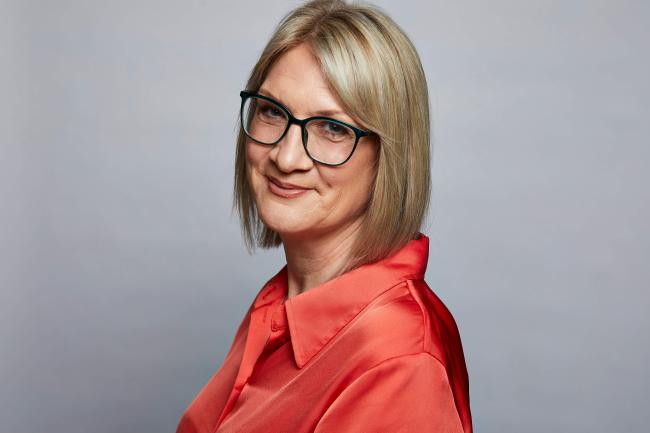
Lorraine Avanessian

Aesthetician, Educator, Skin specialist
Advanced skin therapist in Bicester, Oxfordshire — science-based facials, Byonik laser, microneedling and skincare and nutrition advice that works with your skin, not…
View profile: Lorraine Avanessian
Treatment provider

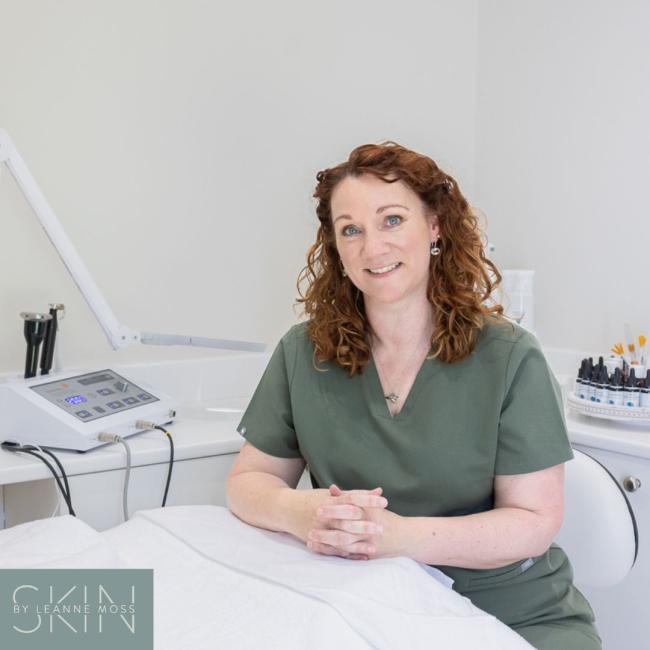
Skin by Leanne Moss

Studio · Ipswich, United Kingdom
"Skin by Leanne Moss is a results-driven skin care clinic in Ipswich, Suffolk, specialising in advanced facials, skin barrier repair, and corneotherapy-based treatments…
  • Allergy-aware treatments
  • Card payments accepted
  • Cash payments accepted
5.0 29 reviews
View profile: Skin by Leanne Moss
Member

Maria Rylott-Byrd

Beauty therapist, Business coach, CEO · Middleton Cheney, United Kingdom
Dedicated to helping Corneotherapists and Functional Skin Therapists succeed in their careers and their businesses through education, mentoring & advacacy.
View profile: Maria Rylott-Byrd
Member

Leanne Moss

Skin specialist
Leanne Moss — skin therapist and corneotherapist at SKIN by Leanne Moss in Ipswich, offering bespoke, prescriptive skincare for healthy skin.
View profile: Leanne Moss
Treatment provider

Lorraine Avanessian Skin Therapist

✓ Verified
Clinic based, Coworking / Shared Space · Bicester, United Kingdom
Therapy room located within Bellis Salon at the Blue Diamond Garden Centre, with free on-site parking for clients. Conveniently located just minutes from Junction 9 of…
  • Card payments accepted
  • Cash payments accepted
  • Disabled access
View profile: Lorraine Avanessian Skin Therapist

Pagination

  • Current page 1
  • Page 2
  • Page 3
  • Page 4
  • Page 5
  • Page 6
  • Page 7
  • Page 8
  • Page 9
  • …
  • Next page ››
  • Last page Last »
The Hair and Beauty Directory

Newsletter

For professionals

  • Jobs
  • Join
  • Rent a room
  • Business Courses
  • Create your Profile
  • Pricing
  • Advertising with us

Explore

  • Advertise your courses
  • Search
  • Events
  • Find a professional
  • New to the industry
  • Articles & Blogs
  • Treatment guides
  • What is verification?

Guidance

  • Inclusivity
  • HIV Awareness
  • Safety & Boundaries

Company

  • How it works
  • Terms and conditions
  • Contact

© 2026 HABD Limited. All rights reserved.

Members in 14+ countries